

The month your cat was born matters less for astrology and more for neurology. The early weeks of a kitten's life — when their brain is wiring itself, when their eyes first register light, when they first venture beyond their mother — fall during specific environmental conditions. A kitten born in March meets the world differently than one born in October. Spring light, summer heat, autumn chill, winter isolation: these aren't metaphors. They're the weather inside the critical socialization window.
According to the American Association of Feline Practitioners, the sensitive period for socialization in cats occurs between two and seven weeks of age — a narrow window when experiences imprint deeply. The season surrounding that window changes everything.
Spring Kittens: March, April, May
Spring kittens are born into abundance. Their socialization window opens when prey is plentiful, temperatures are mild, and daylight is lengthening. For outdoor or feral mothers, this means better nutrition and lower stress hormones — benefits passed directly through milk. For indoor cats, it means humans are more active, windows are open, household energy shifts.
Spring-born cats often develop what veterinary behaviorists call "bold temperament." They approach novelty with less hesitation. They're likelier to greet strangers, investigate new objects, tolerate handling and routine veterinary care. The world introduced them gently, and they remember.
But boldness isn't fearlessness. Spring cats can be demanding — they expect the world to remain as welcoming as it was in those first weeks. When it doesn't, you'll hear about it. Vocally.
Summer Kittens: June, July, August
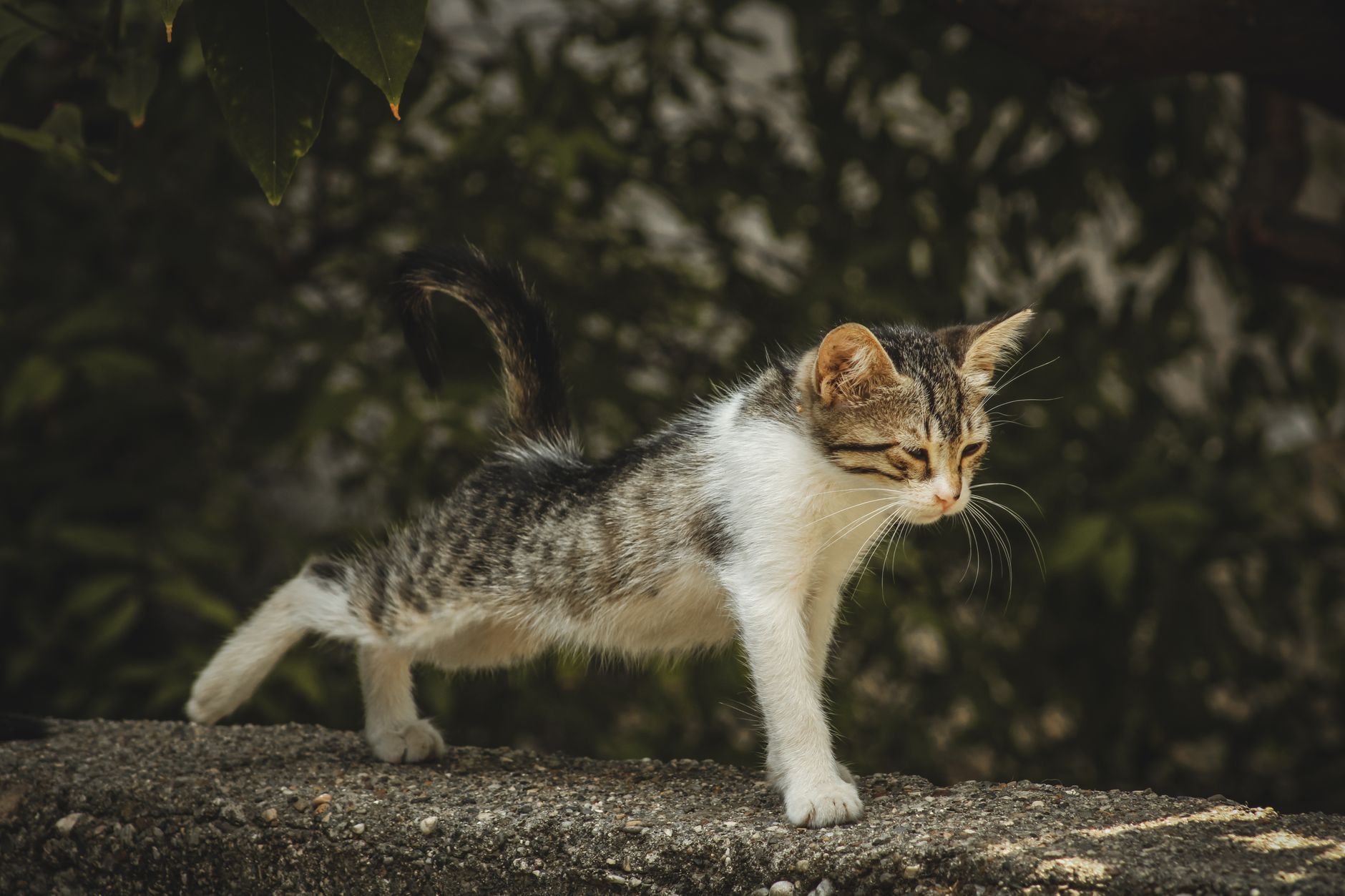
Summer kittens socialize in heat and long light. Their circadian rhythms set during the longest days of the year, which some feline researchers believe contributes to higher activity levels and stronger hunting drive. These are the cats who wake you at 4 a.m., not out of malice but because their internal clock was calibrated to eighteen-hour days.
They tend toward high energy and short attention spans. Summer kittens are the ones who need environmental enrichment most urgently — puzzle feeders, vertical space, rotation of toys. Without it, that energy turns destructive. Not because they're bad. Because they're bored gods in an indoor empire.
Summer-born cats also show stronger prey drive. If your cat brings you "gifts" or fixates on birds through the window with that chittering intensity, check their birth month. June through August kittens often retain the sharpest hunting instincts, even generations removed from outdoor life.
Autumn Kittens: September, October, November
Autumn kittens are watchers. Their socialization window closes as daylight shrinks and temperatures drop. For feral mothers, this is the lean season — fewer resources, higher stress. For indoor cats, it's the season when humans retreat inside, when routines shift, when the house becomes quieter.
These cats develop what looks like caution but is really discernment. They don't rush toward new people or situations. They assess first. Autumn-born cats are overrepresented among those labeled "shy" or "anxious," but that's often a misreading. They're not afraid. They're deciding.
Give an autumn kitten time, and they'll show you loyalty that borders on devotion. They bond deeply with their person — sometimes only their person. They're the cats who follow you room to room, who sleep pressed against your side, who tolerate exactly one human and regard all others as theoretical.
They also tend toward routine dependence. Disruptions upset them more than they upset spring or summer cats. Moving house, new pets, schedule changes: these require longer adjustment periods. Not because autumn cats are fragile. Because they built their sense of safety on predictability, and they remember when the world taught them that lesson.
Winter Kittens: December, January, February

Winter kittens are the rarest in feral populations — queens avoid breeding in late fall because winter births mean lower kitten survival. But in indoor populations, winter kittens are common, and they carry a particular quality: self-sufficiency.
Their socialization window occurs during the darkest, quietest months. Less household activity, shorter days, humans hibernating. Winter kittens learn early that entertainment is self-generated. They're the cats who play alone contentedly, who don't demand constant interaction, who seem perfectly content with their own company.
This can read as aloofness, but it's not coldness. Winter cats offer affection on their own terms, in their own time. They're lap cats at midnight, not at your convenience. They purr during the 3 a.m. insomnia you don't tell anyone about. They're there when you're alone, which is when they learned the world exists.
Winter-born cats also show lower stress responses to solitude. If you work long hours or travel frequently, a winter kitten may adapt more easily than their spring or summer counterparts. They don't take absence personally. They learned early that presence is cyclical, that the sun always returns.
What Birth Month Can't Tell You
Birth month offers patterns, not prophecy. A September kitten raised in chaos will differ vastly from a September kitten raised in calm. Early trauma, genetics, breed tendencies, individual temperament — these matter as much as season.
Some of the boldest cats I've known were born in November. Some of the most anxious were spring kittens. The month shapes possibility; experience shapes reality. Your cat is the conversation between the two.
What birth month does give you is a starting hypothesis. A spring cat who's unusually timid might need veterinary evaluation — that's not typical for their cohort. A winter cat who's exceptionally clingy might be signaling something wrong. Knowing the seasonal baseline helps you notice the deviations.
Ready to Meet Your Cat More Deeply?
Your cat's birth month is one thread in a larger story — the story of who they are beneath the everyday routines, the feeding schedules, the litter box maintenance. At Little Souls, we weave together birth date, personality, and the cosmic weather of their arrival into something you can hold: a portrait of the small god who shares your home.
Discover what the stars and the seasons whispered the day your cat was born. Explore their cosmic portrait at Little Souls.
Sources
American Association of Feline Practitioners. (2021). Feline Life Stage Guidelines. Journal of Feline Medicine and Surgery, 23(3), 211-233. https://catvets.com/guidelines/practice-guidelines/feline-life-stage-guidelines
Ready to read their feline soul?
Written by Maggie. Read your pet's cosmic chart →