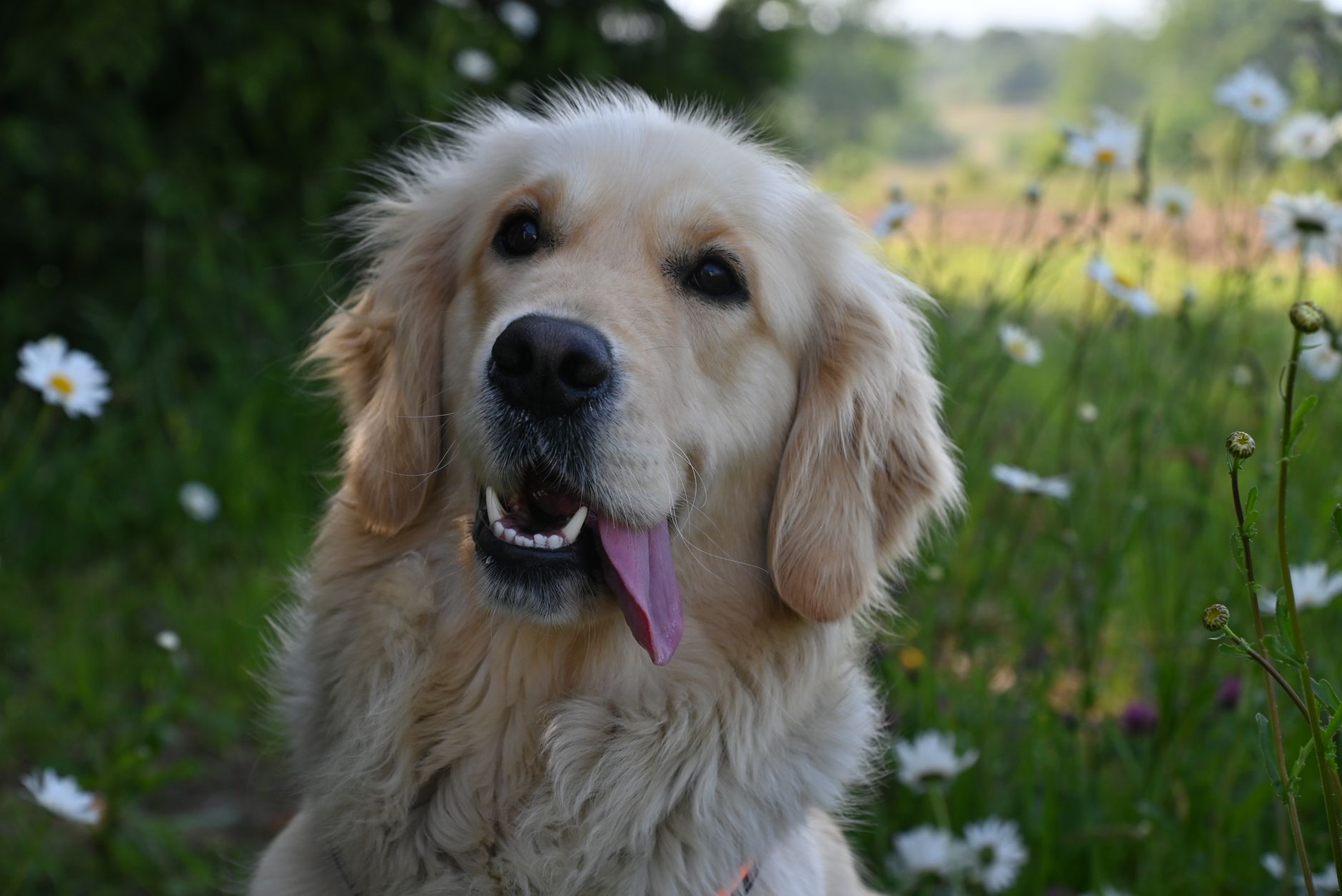
May-born dogs come into the world when everything's growing, warming, lengthening. That spring energy seems to stick. They're often bouncy, people-focused, and blessed with a stubborn streak that'll test your patience if you're not ready for it.
The seasonal timing matters more than you'd think. A May puppy hits adolescence around October or November — just as daylight shrinks and the weather turns. That teenage phase, already challenging, becomes harder to manage when you're battling darkness and rain to tire out a dog who's suddenly forgotten every cue they ever knew.
The Core May Temperament
Most May dogs are what we'd call high-drive. Not necessarily working-line intensity, but they want to do things. They're affectionate without being clingy, social without being desperate, energetic without being manic. There's a balance there, but it tips toward "on" more often than "off."
They bond hard. May dogs tend to pick their people and stick close. Not velcro dogs, exactly, but they want to know where you are. Left alone too long without proper preparation, they'll tell you about it — usually through your furniture.
The stubbornness is real. These dogs have opinions. They'll learn what you're asking, understand it perfectly, then decide whether it's worth their time. Food motivation helps. So does making training feel like their idea. Trying to muscle a May dog into compliance is like arguing with a teenager — technically possible, but exhausting for everyone.
Energy Levels and Exercise Needs
A May-born dog needs movement. An hour's walk isn't a treat; it's baseline maintenance. They'll take more if you've got it. Two shorter sessions often work better than one long slog — keeps their brain engaged.
Mental exercise matters as much as physical. A bored May dog is a creative May dog, and their creativity rarely aligns with your interior design preferences. Puzzle feeders, training sessions, scent work, fetch with rules — anything that makes them think while they move.
The spring birthday timing means they're learning the world during the easiest weather. Come winter, if you've not built good indoor enrichment habits, you'll both struggle. Start early with games that work in small spaces.
According to the American Kennel Club, dogs need both physical exercise and mental stimulation to prevent behavioral issues, with the balance depending on breed, age, and individual temperament — but May dogs often need the higher end of both ranges.
Training Approach for May Dogs

Patience. Consistency. Humor.
May dogs respond well to positive reinforcement, but they'll test boundaries more than some. They're not being difficult for sport — they're checking whether the rule still applies, whether you still mean it, whether maybe this time they can negotiate.
Short training sessions work better than long ones. Five minutes of focused work beats twenty minutes of diminishing returns. They'll stay engaged if you keep it varied and rewarding. The moment they check out, you've lost them.
The teenage phase hits hard. That October/November window when your sweet puppy becomes a lanky adolescent who's suddenly deaf to their own name. It passes. Everyone survives. But it's easier if you've built a solid foundation before it arrives and you maintain consistency throughout. The dog will tell you when they're ready to be sensible again.
Social Behavior and Quirks

May dogs tend toward friendliness. They usually like other dogs, tolerate strangers well, and assume everyone wants to be their friend until proven otherwise. This is lovely until it's not — they need to learn that not every dog wants to play, not every person wants to say hello.
They're often vocal. Not problem barking, necessarily, but they've got things to say. A May dog will tell you when dinner's late, when someone's at the door, when a leaf moved suspiciously in the garden. Some of this you can train out. Some of it is just who they are.
Food motivation runs high. Useful for training, dangerous for your kitchen counters. They'll learn "leave it," but they'll also learn how to open cupboards if you're not careful. A sensible May dog is still an opportunistic May dog.
Many show a daft streak — a puppyish enthusiasm that persists well into adulthood. They'll be perfectly well-behaved for twenty-three hours a day, then suddenly zoom around the house like something's chasing them. It's called the zoomies. It's normal. It's also hilarious.
Health and Developmental Considerations
Spring births mean good weather for early socialization. May puppies can get out into the world during their critical period without battling ice or extreme heat. This often produces confident adult dogs, assuming the breeder or rescue did their part.
The flip side: they hit their first winter as adolescents. If they're a breed prone to joint issues, that cold weather can make growing pains more noticeable. Not a health crisis, but worth knowing.
May dogs born outdoors or in farm settings often have robust immune systems. They've encountered environmental variety from day one. May dogs from indoor-only situations might need more gradual exposure to the world's germs and chaos.
Watch their weight. That food motivation and high energy can create a dog who burns calories fast but also hoovers up anything edible. They'll stay lean if exercised properly, but a sedentary May dog can pack on weight quickly.
Living with a May-Born Dog
Right. So you've got a May dog, or you're thinking about one.
Expect energy. Expect affection. Expect a dog who'll make you laugh and occasionally make you wonder why you didn't get a cat. They're rewarding dogs if you're willing to meet them halfway — if you'll exercise them properly, train them patiently, and accept that they've got their own ideas about how things should work.
They're not for everyone. If you want a dog who's content with a quick walk and a nap, look elsewhere. If you want a companion who's up for anything, who'll bond hard and play harder, who'll challenge you and charm you in equal measure — a May dog might be exactly right.
The birthday personality traits aren't destiny. Breed, individual temperament, and how you raise them matter more. But the seasonal timing leaves its mark. May dogs carry a bit of spring with them — all that growth and energy and stubborn green life pushing up through the soil.
They're good dogs. Sometimes exhausting dogs. But good.
Sources
- American Kennel Club. "How Much Exercise Does a Dog Need Every Day?" AKC Expert Advice. https://www.akc.org/expert-advice/health/how-much-exercise-does-dog-need/
Ready to read your dog's soul?
Written by Callum. Read your pet's cosmic chart →