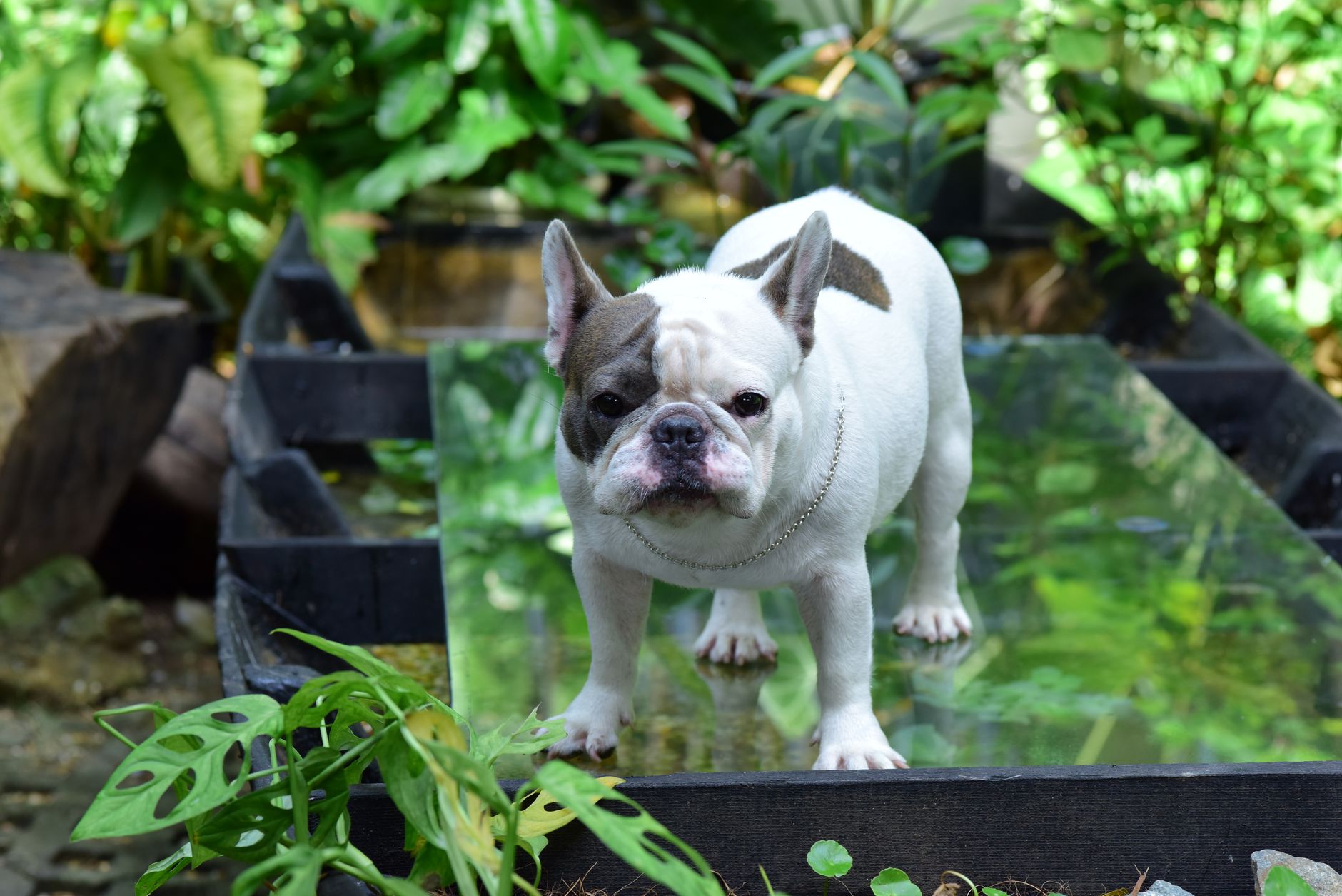
French Bulldogs photograph like optical illusions. That flat face compresses in images, the bat ears read as horns from certain angles, and the body—compact, muscular, oddly delicate—never quite translates. A good portrait artist solves what the camera can't: they reconstruct depth, capture the soul behind those bulging eyes, and render the specific texture of your dog's existence.
This is the full guide to commissioning a French Bulldog portrait that actually looks like your dog—not a generic Frenchie, not a cartoon approximation, but the specific animal who snores on your lap and judges your life choices.
Why French Bulldogs Are Difficult to Paint
Brachycephalic breeds break the usual rules of animal portraiture. Most dog faces have a muzzle that creates natural shadow and depth. French Bulldogs are essentially a face bolted directly to a neck. Artists who don't understand this will either flatten them further (making them look like taxidermy) or over-correct and give them a snout they don't have.
The ears are the second structural challenge. Bat ears catch light differently than folded or pointed ears—they're thin, backlit, veined. An artist who paints them as solid shapes misses the entire character. According to the American Kennel Club, the breed standard specifies "bat ears, broad at the base, elongated, with round top"—that elongation is what gives Frenchies their alert, slightly worried expression.
Then there's the body: low-slung, barrel-chested, with legs that seem structurally improbable. The proportions don't follow golden ratios. A portrait that gets the face right but guesses at the body will feel wrong to anyone who knows the breed.
Best Art Styles for French Bulldog Portraits
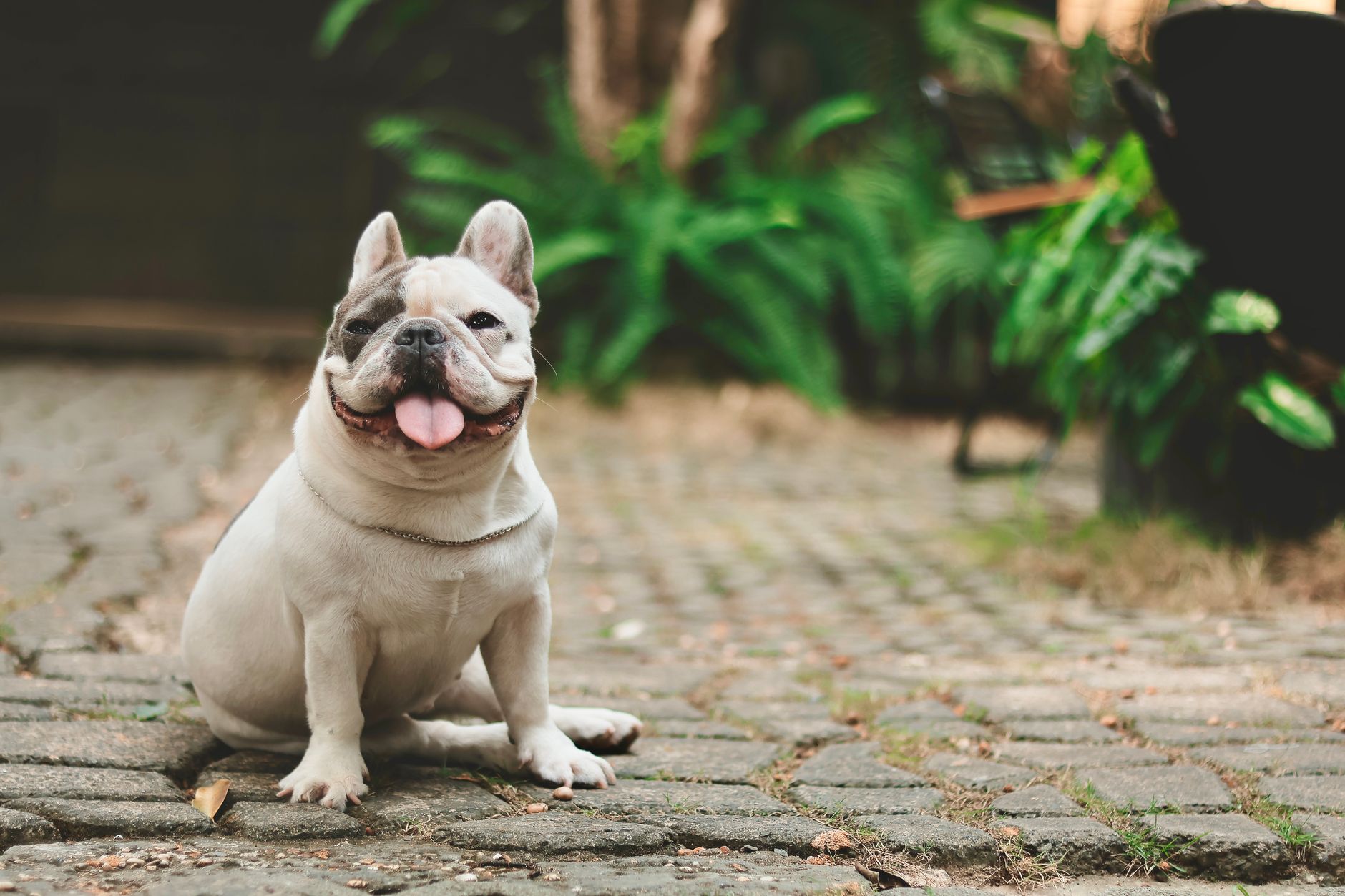
Watercolour suits Frenchies because it handles soft transitions—the wrinkles around the nose, the gradient from dark mask to lighter jaw, the delicate ear membrane. It doesn't fight the lack of hard edges.
Oil painting works when you want gravitas. French Bulldogs have serious faces even when they're being daft. Oil captures that weight, the density of their gaze, the way light sits on their coat.
Royal portraits are structurally perfect for this breed. Frenchies already look like tiny, disappointed aristocrats. Putting them in a ruff and velvet just makes the subtext text. The formal composition also forces the artist to solve the proportions properly—you can't fudge a royal portrait.
Pop art works if your Frenchie has big personality and you want the portrait to match their chaos. The bold lines help define features that cameras blur. The colour blocks can emphasise their mask, their coat pattern, the specific shade of their eyes.
Avoid anything too minimalist unless the artist genuinely understands the breed. Modern minimalist can work, but only if the artist knows which lines to keep—the curve of the skull, the ear set, the chest depth. Most minimalist portraits of Frenchies end up looking like potatoes with ears.
What Photos to Send Your Artist
Three photos, minimum:
Straight-on face shot, eye level, natural light. This is your symmetry reference. French Bulldog faces are often asymmetrical—one ear slightly lower, one eye more pronounced, the nose leather off-centre. Those asymmetries are what make your dog yours. The artist needs to see them clearly.
Full profile, standing, side-on. This shows body proportion, leg length, chest depth, tail set. Frenchies are longer than people think and shorter than they photograph. The profile is the only way an artist can reconstruct accurate proportions.
Action shot—mid-play, mid-zoomie, mid-anything. This captures personality and movement. French Bulldogs have a specific way of moving: front-heavy, slightly waddling, chaotic. They also have expressions that only appear when they're engaged with something. The action shot gives the artist material for the eyes—the look, the focus, the specific way your dog's face arranges itself when they're being themselves.
Don't send: blurry photos, photos where the dog is mostly obscured, photos taken from directly above (this flattens them further), or photos where the lighting is so harsh it obliterates detail.
Capturing Frenchie Personality in a Portrait
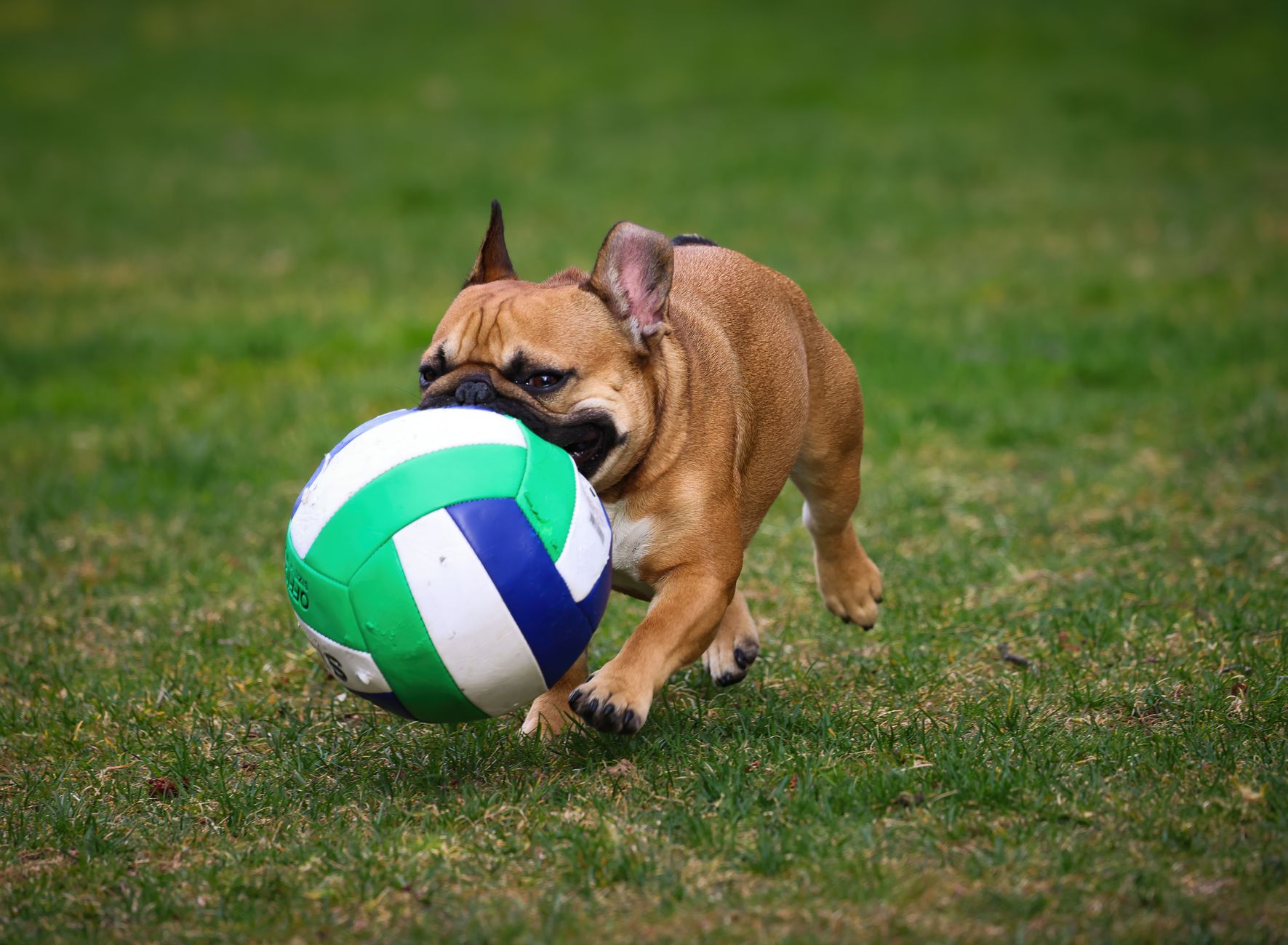
French Bulldogs have two modes: dignified gargoyle and absolute clown. A good portrait picks one and commits. If your dog is a stoic observer of human foolishness, the portrait should have weight, stillness, a slight judgmental tilt to the head. If your dog is a chaos agent who farts and then looks surprised, the portrait should have movement, mischief, slightly unhinged eyes.
The expression is everything. Frenchies have deeply expressive faces—more so than most breeds—because they rely on facial communication more than vocalisation. They raise eyebrows, wrinkle their foreheads, do that specific head-tilt that means "I'm listening but I think you're wrong." The artist needs reference material that shows your dog's range.
Coat texture matters more than people expect. Frenchies have short, fine coats that catch light in specific ways. A brindle Frenchie has striping that can look muddy if the artist doesn't understand the pattern. A pied Frenchie has colour distribution that defines their whole look. Send close-up photos of the coat in good light.
Common Portrait Mistakes and How to Avoid Them
Mistake one: the artist paints a generic Frenchie from memory instead of working from your photos. You can spot this immediately—the proportions are textbook, the expression is neutral, the personality is absent. Fix: commission from a service that requires detailed photo uploads and works from your specific dog.
Mistake two: the eyes are wrong. French Bulldog eyes are large, round, dark, and set wide apart. They should look slightly worried even when the dog is relaxed. Eyes that are too small, too close together, or too almond-shaped make the portrait look like a different breed.
Mistake three: the ears are painted as solid shapes. Frenchie ears are thin and catch light. They should have internal detail—veining, shadow, the slight translucency at the tips. Solid ears make the dog look like a toy.
Mistake four: the wrinkles are over-rendered. Yes, Frenchies have facial wrinkles, but they're not Shar-Peis. The wrinkles should suggest depth without dominating the face. Over-wrinkled portraits look like the dog is melting.
Mistake five: the colour is off. Frenchies come in specific coat colours—fawn, brindle, cream, pied, blue, black. Each has a specific tone and sheen. A fawn Frenchie is not orange. A blue Frenchie is not grey. Colour accuracy is non-negotiable.
Ready to Commission Your French Bulldog Portrait?
You know your dog better than any artist will. Your job is to give them the visual information they need to reconstruct what you see every day: the specific tilt of the ears, the exact colour of the mask, the look your dog gives you when you're late with dinner. A good portrait artist will ask questions, request additional photos, and work until the proportions feel right.
Browse French Bulldog portrait styles to see how different approaches handle the breed's unique structure—or start with the full portrait gallery if you're still deciding on style.
Sources
- American Kennel Club — French Bulldog Breed Standard — https://www.akc.org/dog-breeds/french-bulldog/
See your dog painted the way you see them
Written by Callum. See their portrait →