Gemini dogs are born roughly between May 21 and June 20, when the sun moves through the constellation of the Twins. In astrology, Gemini is ruled by Mercury, the planet of communication, curiosity, and movement. That translates, in canine terms, to a dog that's sociable, easily bored, and always looking for the next thing. They're the dogs that whine at the window, learn tricks in three repetitions, and sulk when left alone. High drive, low patience, and a need for company that borders on clingy.
These are not the dogs that sleep fourteen hours a day. They're alert, responsive, and often nervy if under-stimulated. They want to be involved. They want to know what you're doing, where you're going, and whether they can come. And if the answer is no, they'll find their own entertainment—usually something you'd rather they didn't.
What Makes a Gemini Dog Different
Gemini dogs are defined by their need for variety. They don't want the same walk, the same toy, the same routine. They get bored. And a bored Gemini dog is a destructive one. They're quick learners—often too quick. Teach them to open a door once, and they'll remember it forever. They're also highly social. Not just with you, but with other dogs, strangers, the postman. They want to engage. They want to interact. Isolation—physical or social—makes them miserable.
This is the sign of the communicator, so Gemini dogs tend to be vocal. Not always barking, but whining, grumbling, huffing. They talk. They have opinions. And they're not shy about sharing them. According to the American Kennel Club, some breeds are naturally more vocal than others, but with Gemini dogs, it's less about breed and more about temperament. They're chatty because they're engaged.
They're also sensitive to your mood. Gemini is an air sign—intellectual, observant, reactive. These dogs notice when you're tense, distracted, or upset. They mirror it. If you're anxious, they're anxious. If you're scattered, so are they. They need a calm, consistent handler, even if they themselves are anything but.
Energy Levels and Exercise Needs
Gemini dogs have what I'd call fizzy energy. Not the relentless stamina of a working collie, but a restless, bouncing sort of drive. They need movement, but they also need mental work. A two-hour walk won't tire them if it's the same route every day. They need novelty. New smells, new routes, new environments.
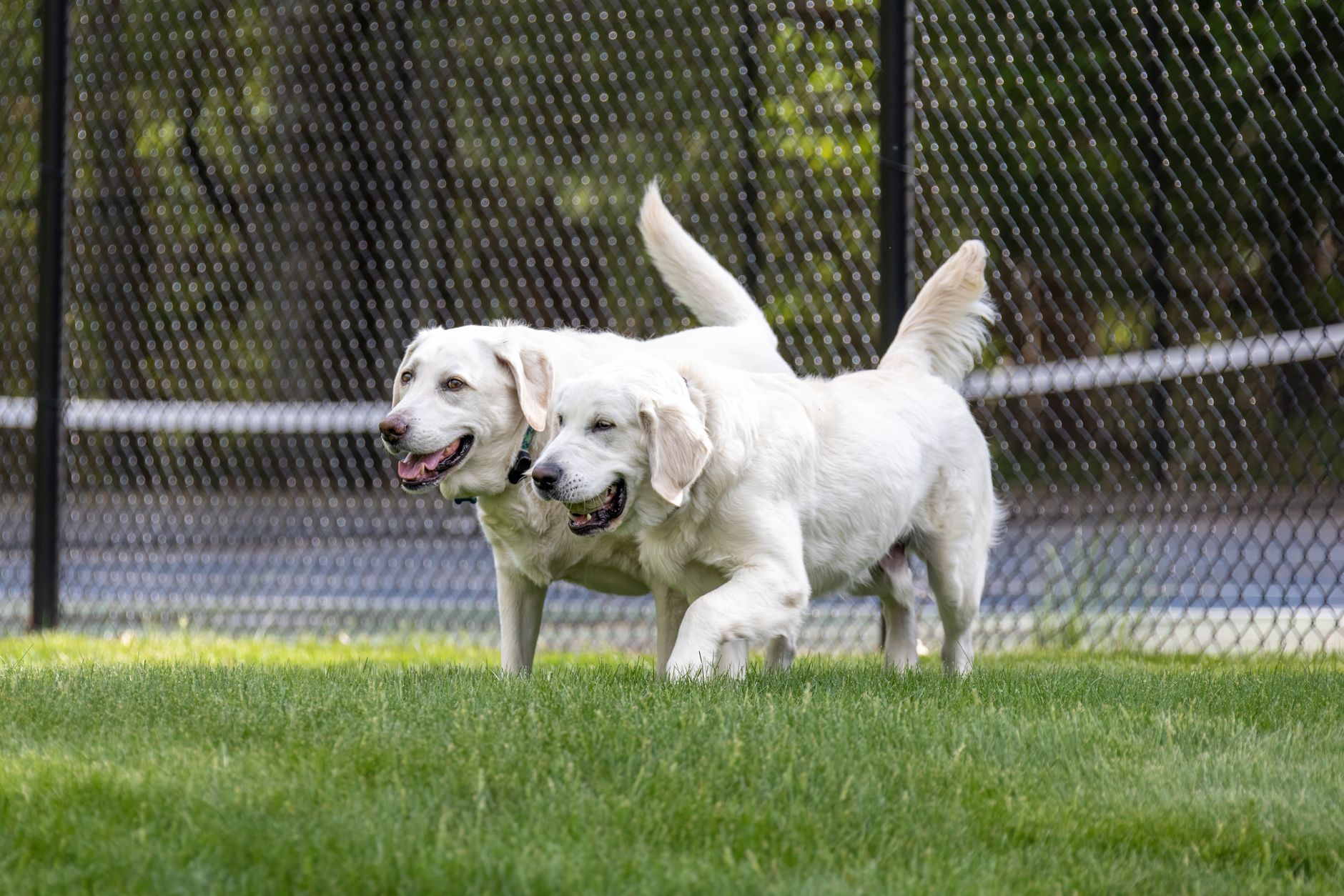
They're also social exercisers. A solo walk is fine, but they'd rather be at the park with other dogs. They want to play, chase, wrestle. They're often the instigators—bowing, barking, bouncing until another dog joins in. That's their idea of a good time. If you've got a Gemini dog and no access to other dogs, you'll need to work harder to keep them entertained. Puzzle toys, scent work, training games. Anything that asks them to think.
They're not marathon runners. They're sprinters. Short bursts of energy, then a rest, then another burst. They don't have the off-switch of a more laid-back breed, but they do tire—if you give them enough to do. The mistake is assuming a long walk is enough. It's not. They need their brain engaged, or they'll find something to engage it themselves. Usually your shoes.
Training and Biddability
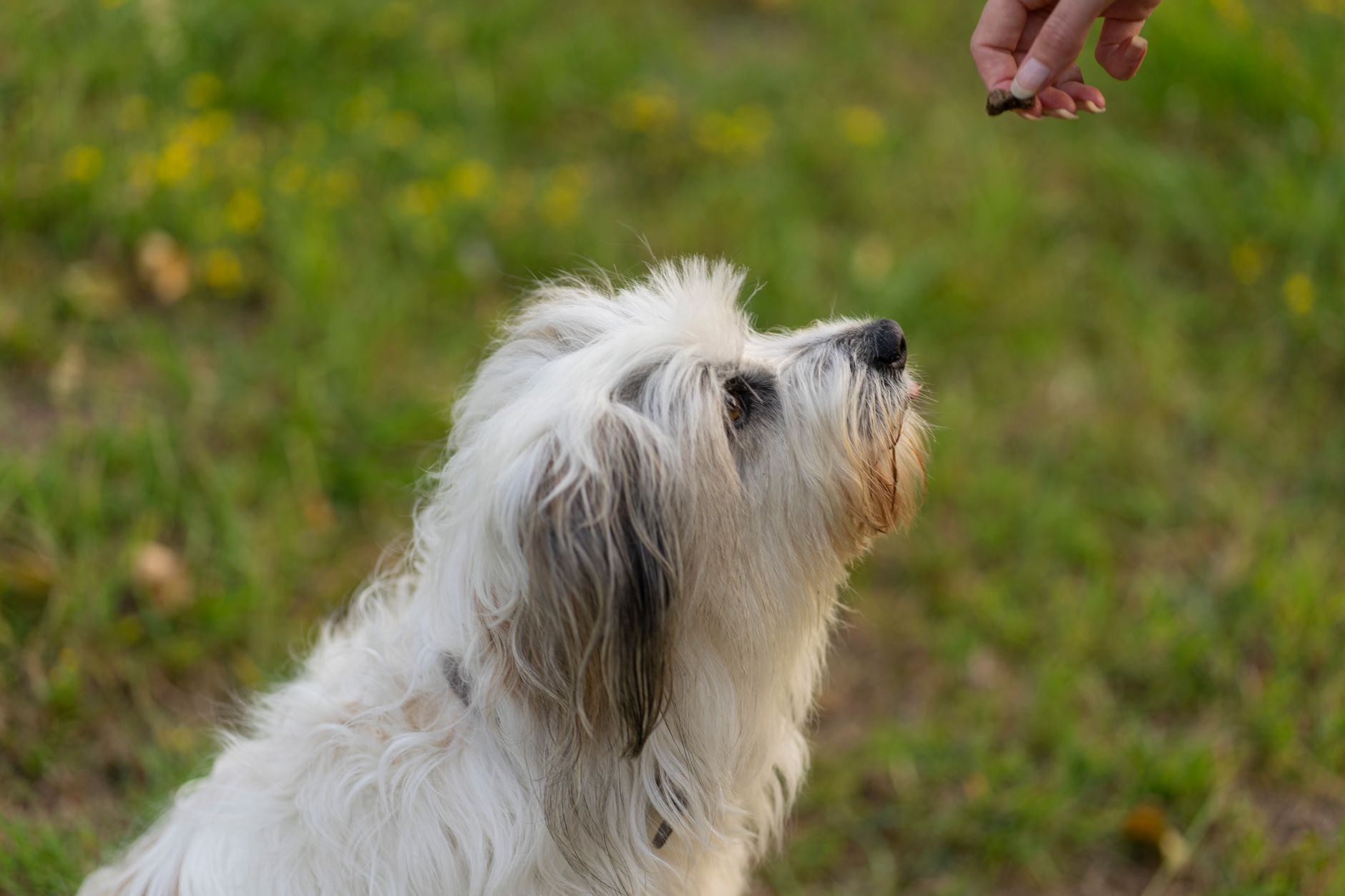
Gemini dogs are biddable. They want to please, they want to learn, and they pick things up fast. But they also get bored. Repetition kills their interest. Drill the same command ten times in a row, and they'll start offering you everything except what you asked for. They're testing. They're improvising. They want to know what else works.
That means short, varied training sessions. Three minutes of heelwork, then a game, then a minute of recalls, then a break. Keep it moving. Keep it interesting. Reward heavily for the first few reps, then quit while you're ahead. They'll retain it. They're clever. But they won't tolerate being drilled like a working sheepdog.
They're also sensitive to tone. Harsh corrections shut them down. They're soft dogs, emotionally. Not fragile, but responsive. A disappointed sigh works better than a shout. They want your approval. They just don't want to be bored getting it.
One thing to watch: they can be reactive on the lead. Not aggression—excitement. They see another dog, they want to say hello. They see a person, they want to greet. That fizzy energy spills over into frustration if they can't get to the thing they want. Lead manners need work, and they need it early. A Gemini dog that's allowed to pull and lunge as a puppy will be a nightmare at two years old.
Socialisation and Separation Anxiety

Gemini dogs need company. Canine or human, they don't care—but they can't be alone for long stretches without consequences. This is the sign of the social butterfly. Isolation makes them anxious, destructive, or both. They're the dogs that chew the door frame, bark for hours, or refuse to settle even when you're home.
Early socialisation is critical. Not just with other dogs, but with different people, environments, sounds. Gemini dogs are naturally curious, but they can tip into nerviness if under-exposed. They need to learn that the world is safe and interesting, not threatening. Puppy classes, busy parks, cafés—anywhere they can watch and learn.
Separation anxiety is common. They bond hard, and they don't understand why you'd leave. You'll need to teach them to be alone gradually—short absences, heavily rewarded calm behaviour, no drama when you leave or return. It's not a quick fix. But it's necessary, or you'll have a dog that can't cope with your absence.
They also do better in multi-dog households. Not always—some Gemini dogs are possessive of their person—but generally, they like having another dog around. It takes the pressure off you to be their entire social world. They can play, rest, and interact without needing you to facilitate every moment.
Best and Worst Matches
Gemini dogs suit active, social households. Families with kids, people who work from home, multi-dog homes. They're not suited to long hours alone, rigid routines, or owners who want a quiet, low-maintenance companion. They're high-input dogs. Not in terms of exercise, necessarily, but in terms of attention. They want to be involved.
They're also a good match for first-time owners who are willing to learn. They're forgiving, responsive, and eager to please—if you meet them halfway. But they're a terrible match for someone who wants a dog that just exists quietly in the background. That's not a Gemini dog. They're present. They're engaged. They're there.
Worst match? Someone who's out all day, has no other pets, and expects the dog to entertain itself. That's a recipe for a miserable dog and a destroyed house. Gemini dogs can't cope with that level of isolation. They'll find ways to cope—barking, chewing, escaping—but none of them are pleasant.
They also struggle with very rigid, authoritarian training methods. They're soft, clever, and sensitive. They need clarity and consistency, yes—but not harshness. They'll shut down or start offering avoidance behaviours. The dog will tell you if you've pushed too hard. Listen.
Living with a Gemini Dog
Day-to-day life with a Gemini dog is busy. They're not the dog that naps while you work. They're the dog that brings you a toy every twenty minutes, whines at the door, follows you from room to room. They want to be part of things. That can be charming or exhausting, depending on your temperament.
They're also vocal. Expect whining, grumbling, and the occasional bark. They're not usually nuisance barkers—unless they're bored or anxious—but they're chatty. They have things to say. Some people find it endearing. Others find it maddening. Know which camp you're in before you commit.
They're affectionate, though. Proper velcro dogs. They'll sleep on your feet, lean against your leg, follow you to the bathroom. They're not aloof. They're not independent. They want to be with you, always. If that sounds suffocating, a Gemini dog isn't for you.
They also thrive on routine—but not rigid routine. They like knowing when walks happen, when meals happen, when you're home. But they also like novelty within that structure. Same walk time, different route. Same training session, different exercises. They need predictability and variety, which sounds contradictory but somehow works.
Ready to Meet Your Gemini Dog?
Right. You've read the brief. Your dog's a social, chatty, easily bored creature that needs company, novelty, and something to do. You're wondering if that's nature, nurture, or the stars.
It's all three. And if you want the full picture—what your dog's chart says about their quirks, their needs, the best way to work with them—start here. Little Souls builds a complete astrological reading for your dog: sun, moon, rising, the lot. Not a horoscope. A proper natal chart. The dog will tell you if it's useful.
Sources
- American Kennel Club. "Why Does My Dog Bark?" https://www.akc.org/expert-advice/training/why-does-my-dog-bark/
Ready to read your dog's soul?
Written by Callum. Read your pet's cosmic chart →