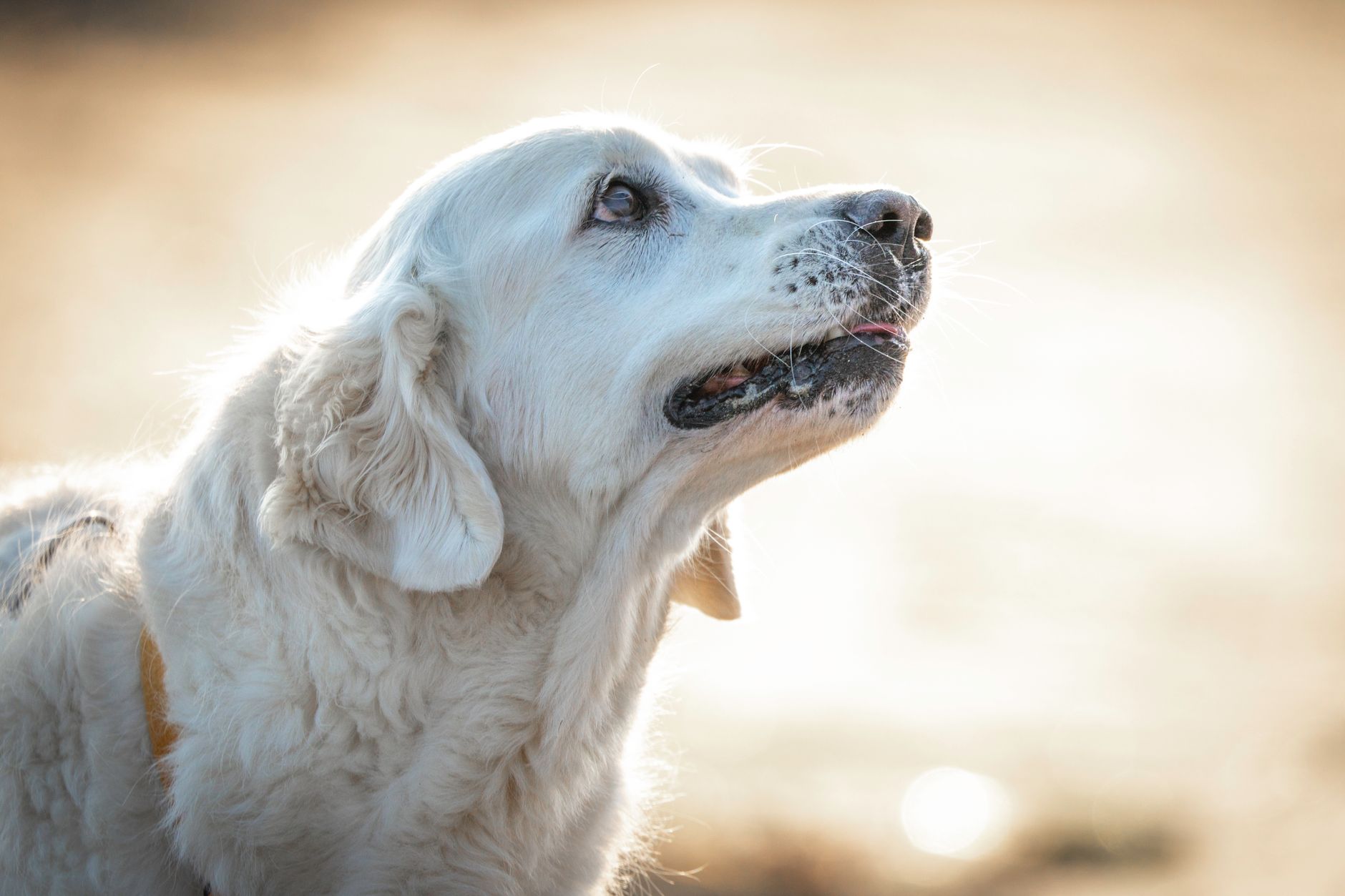
When your dog dies, well-meaning people will tell you that time heals. What they don't say is that grief is not a problem to be solved. It is love that has lost its destination.
The rituals below are not about closure. They are about making space for the love that remains. They are small, deliberate acts that allow you to say: you mattered. You still matter.
Plant Something Living
A memorial garden is not sentimental. It is a way to mark time.
Choose a perennial that will return each spring—lavender, rosemary, a climbing rose. Plant it where you will see it often. As you dig, you are allowed to cry. As you water it in the weeks that follow, you are allowed to speak their name.
Some people bury ashes beneath the roots. Others simply dedicate the space. Both are enough.
The work of mourning is not linear. A garden grows in cycles.
Commission a Portrait
Photographs capture a moment. A portrait captures presence.
Find an artist whose style feels true to how you remember your dog—not idealized, not overly precious, but them. Watercolor, oil, charcoal. The medium matters less than the gaze.
Hang it where you will pass it daily. Let it become part of the architecture of your home. Over time, the acute pain will shift. The portrait remains.
This is not about preserving grief. It is about refusing to pretend they were not here.
See the stars read aloud for the one you love most.
>
Build a Shadow Box
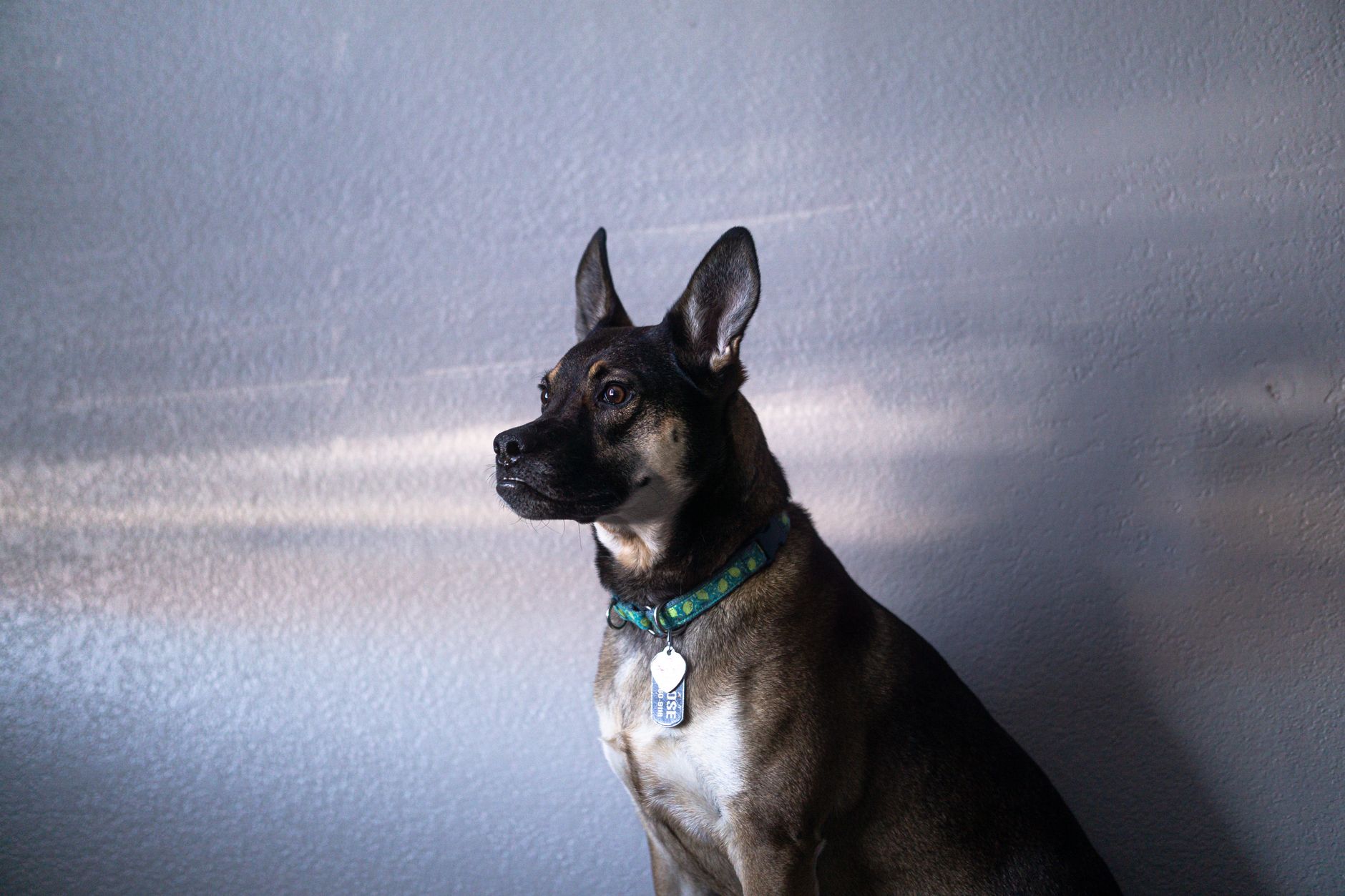
Gather the objects that hold weight: their collar, the rabies tag that jingled when they walked, a favorite toy worn smooth by their mouth, a tuft of fur you saved after their last grooming.
Arrange them in a shadow box frame. No narrative required. The objects speak.
This becomes a ritual object—not something you look at every day, but something you can look at when the absence feels unbearable. It says: here is proof. Here is what was loved.
According to the American Veterinary Medical Association, creating tangible memorials helps pet owners process grief by externalizing their emotional experience.
Write Letters You Keep
Some people write letters to their dog and burn them, releasing the words into air.
I prefer to keep mine.
Buy a small journal or a simple box. Write when the grief ambushes you—on their birthday, on the anniversary, on an ordinary Tuesday when you find their hair still embedded in the couch seam.
You do not need to write beautifully. You need to write truthfully.
The letters accumulate. They become a record of how you carried them forward.
Light a Candle on Significant Days
Birthdays. Anniversaries. The day they died.
Light a candle. Let it burn for an hour, or until it gutters out.
This is not mystical. It is a way to mark time as different. To say: today I remember deliberately. Today I do not pretend this is just another day.
Some people light the candle and sit in silence. Others speak aloud—stories, apologies, gratitude. Both are permitted.
Donate in Their Name
Grief can feel uselessly circular. Donation interrupts that.
Choose a shelter, a breed-specific rescue, a veterinary fund for low-income families. Make it recurring if you can bear it. Let your dog's death mean that another dog eats, or heals, or finds a home.
This is not about redemption. It is about refusing to let love end with loss.
Ask the organization to send acknowledgment letters to you, not others. This is not performative. This is private.
Create a Memory Book
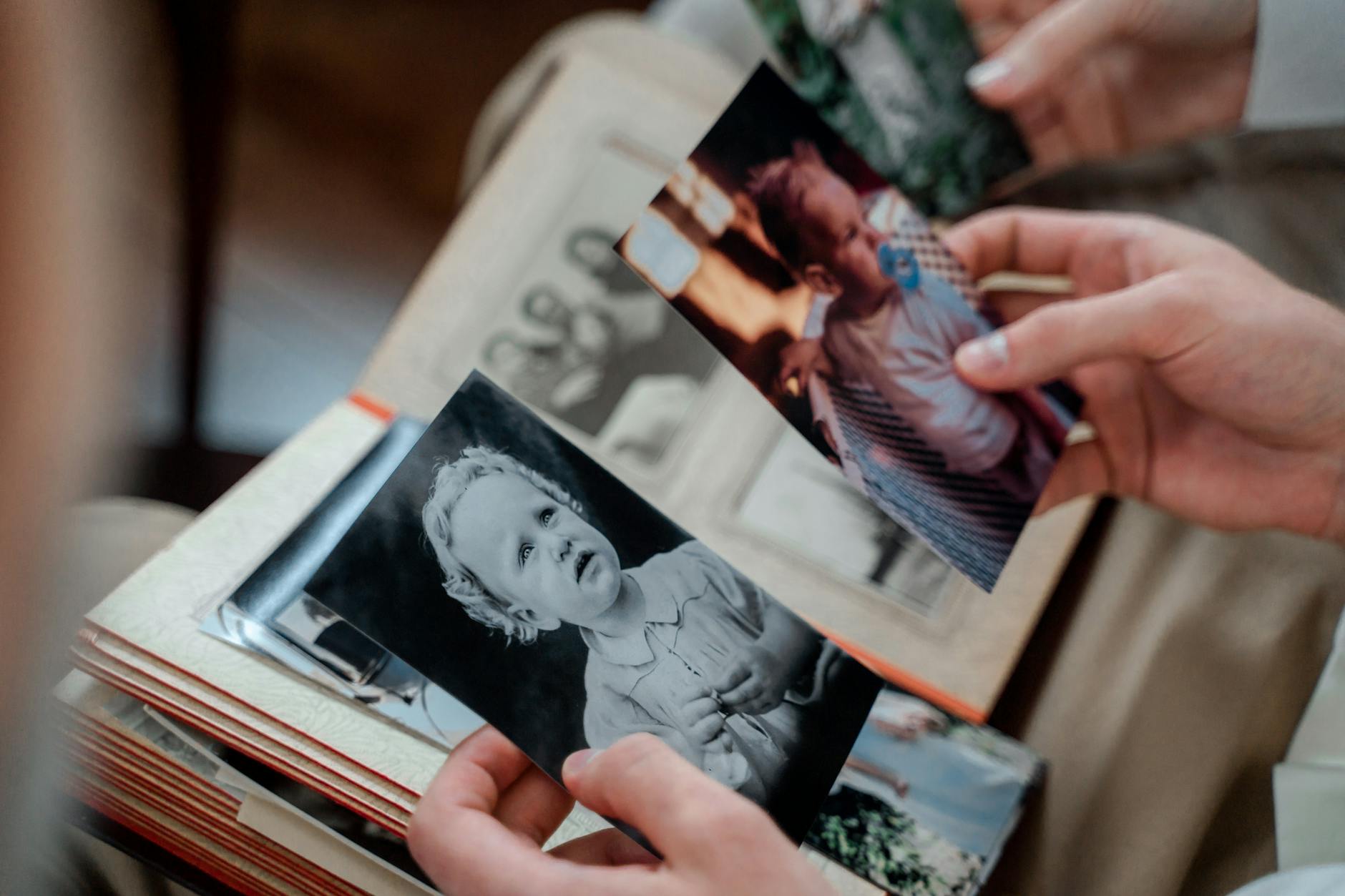
Not a scrapbook. A book.
Print photographs—the good ones and the ordinary ones. The blurry shot from the car. The one where they're mid-shake, ears flying. The last photo, even if it hurts.
Paste them in a simple album. Write captions if you want: dates, places, what you remember about that day. Or don't. Let the images alone bear witness.
Years from now, you will forget small things. The book will not.
Wear Them Close
Some jewelers will press a pawprint into a pendant. Others will encase a small amount of ash in resin, or engrave a nose print on the inside of a ring.
I am cautious about recommending this. For some people, it is a comfort. For others, it becomes a weight they cannot remove.
Know yourself. If you are someone who needs to touch grief in order to move through it, this may help. If you are someone who needs distance to breathe, choose a different ritual.
Hold a Private Ceremony
You do not need a crowd. You do not need a script.
Go to a place that mattered to both of you—the trail you walked every morning, the park where they learned to swim, even just your backyard.
Bring a friend if you want a witness. Or go alone.
Speak aloud: what you loved about them, what you will miss, what you are grateful for. If you cannot speak, stand in silence. Silence is also a ceremony.
Leave something small if it feels right—a stone, a flower, nothing at all.
Commission a Custom Piece of Art or Furniture
Some woodworkers will build a small urn box inlaid with your dog's name. Others will carve a bench with a paw print burned into the arm.
This is not for everyone. It requires money, and time, and the emotional bandwidth to collaborate with a stranger on something unbearably personal.
But if you are someone who processes grief through making—or through witnessing the making of beautiful things—this can be profound.
The object becomes a place your grief can live outside your body.
Speak Their Name
This is the smallest ritual. It is also the hardest.
People will stop asking about your dog. They will stop saying the name aloud, afraid of hurting you.
You say it anyway.
In conversation. In your head. To other dogs you meet on the street.
Their name is not a wound. It is a fact. They lived. You loved them. The name remains.
Honoring a pet through small daily rituals is not about moving on. It is about moving with.
Sources
- American Veterinary Medical Association. "Coping with the Loss of a Pet." AVMA, https://www.avma.org/resources/pet-owners/petcare/coping-loss-pet. Accessed 2025.
Some love needs somewhere to live. A hand-painted portrait keeps them on the wall, and in the room.
>
Ready to read your dog's soul?
Written by Rowan. Read your pet's cosmic chart →