
Why Renaissance Style Works for Dogs
The renaissance portrait was a status object. Velvet. Ermine trim. A face that could stare down a room. Your dog already does this — the unblinking eye contact, the regal sit, the complete conviction that they own the furniture. The style translates because it was never about humans. It was about power, lineage, and being looked at. Dogs understand all three.
The technical elements — chiaroscuro lighting, three-quarter pose, dark background — exist to make the subject emerge from shadow. Dogs photograph well in exactly this setup. Their eyes catch light. Their fur reads as texture under directional lighting. A golden retriever in a ruff collar isn't camp. It's portraiture that finally matches their self-regard.
The Four Renaissance Portrait Archetypes
Renaissance painting wasn't one style. It was four centuries of regional variation. When you commission a renaissance pet portrait, you're choosing an archetype:
Venetian (Titian, Veronese): Rich colour. Reds, golds, deep greens. Luxurious fabric. Works for breeds with warm coats — golden retrievers, Irish setters, vizslas. The palette needs something to reflect.
Florentine (Leonardo, Botticelli): Softer. More ethereal. Sfumato — that smoky edge where form dissolves into background. Best for fine-boned breeds. Whippets. Italian greyhounds. Papillons. Anything that looks like it might vanish if you blink.
Northern Renaissance (Rembrandt, Vermeer): Drama. Single light source. Everything else in shadow. This is the one most people mean when they say "renaissance pet portrait." Works for any breed with expressive eyes. Border collies. German shepherds. Cattle dogs. Breeds that hold eye contact like a threat.
Tudor Court (Holbein): Flat. Frontal. Highly detailed. Every whisker rendered. The dog stares straight out. No warmth. Pure formality. Excellent for breeds that already look like they're judging you: pugs, bulldogs, Pekingese.
Costume Choices That Actually Work
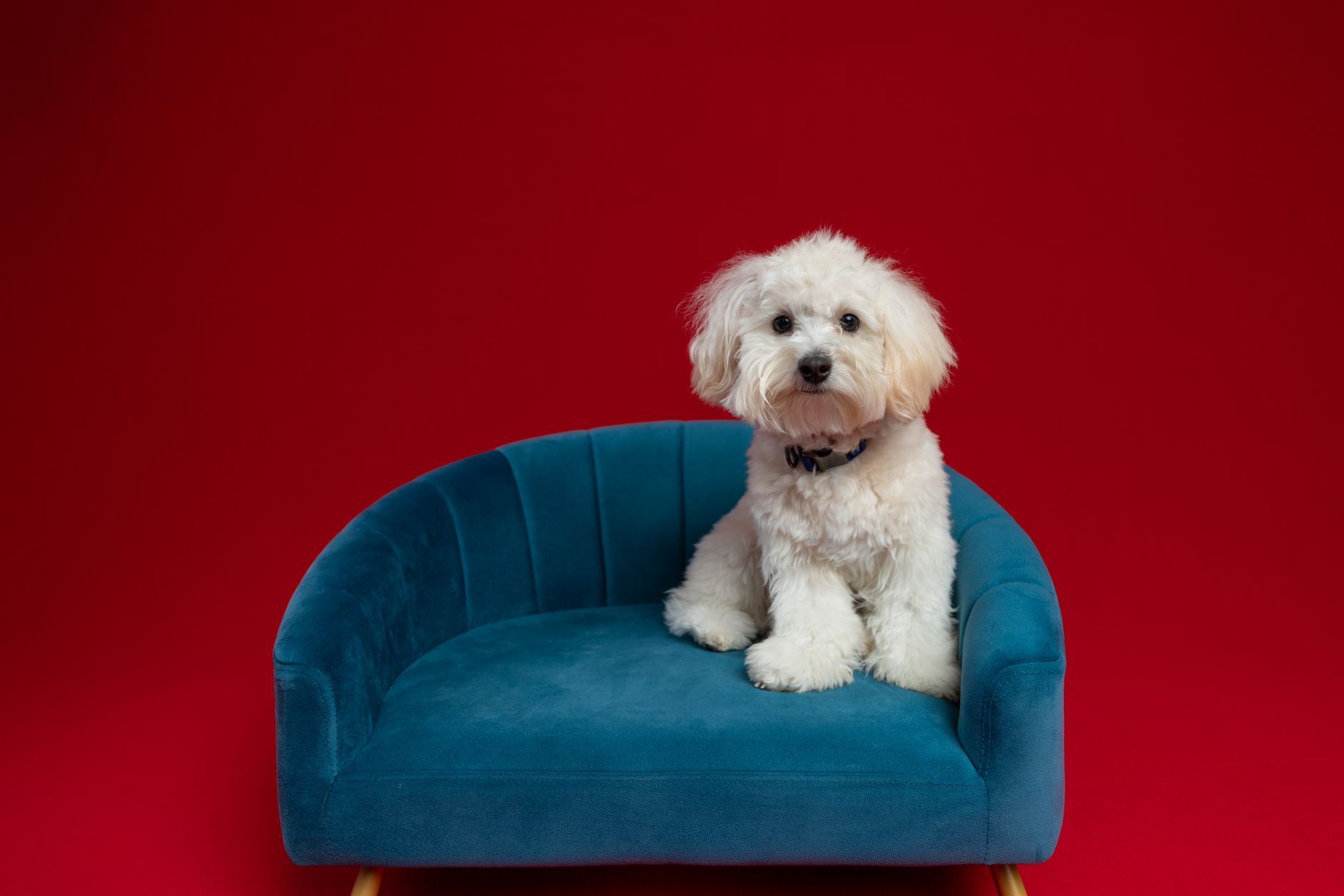
The costume makes or breaks it. Too much and it's fancy dress. Too little and it's just a dog in a collar. The sweet spot: one or two period elements that frame the face without obscuring the dog.
Ruff collar: The safest choice. Iconic. Frames the face. Works on any breed with a neck. White linen or lace. Sized to sit just behind the ears. This is the element that says "renaissance" without requiring a full doublet.
Doublet or gown: Full upper-body costume. Velvet, brocade, slashed sleeves showing contrasting fabric underneath. Only works if the artist can render fabric convincingly. A poorly painted doublet looks like a bib. A good one looks like your labrador commissioned it themselves.
Jewellery: Chains, brooches, rings on a ribbon. Sparingly. One piece. Placed where it catches light — across the chest, at the collar. Gold for warm-toned coats. Silver for cool. Pearls for white dogs.
Headwear: Risky. A beret or Tudor cap can work on a large-headed breed — mastiffs, rottweilers, Saint Bernards. Looks absurd on a whippet. If you're unsure, skip it.
The rule: costume should enhance structure, not hide it. The dog is the subject. The velvet is set dressing.
Composition: Pose and Framing
Renaissance portraits used three standard compositions. Each has a modern equivalent in dog photography:
Three-quarter turn, shoulders angled, head turned to viewer: The classic. Works for confident dogs. Breeds with strong chest and shoulder definition. The pose says: I was doing something important, then you walked in. Boxers. Huskies. Working-line German shepherds.
Full frontal, seated, paws visible: Formal. Symmetrical. The viewer is being presented to the dog, not the other way around. Best for compact, square breeds. Pugs. French bulldogs. Corgis. Breeds that sit like a loaf.
Profile: Rare in human renaissance portraits (reserved for coins and medals), but effective for dogs with strong profile lines. Sighthounds. Dobermanns. Collies. Any breed where the skull shape is part of the statement.
The background should be dark but not flat. A hint of architectural detail — a column, a draped curtain, a window showing distant landscape. Just enough to create depth. According to research from the Metropolitan Museum of Art, renaissance portrait backgrounds were designed to enhance the sitter's social status through subtle environmental cues — the same principle applies when your dog is the sitter.
Technical Elements: What to Ask Your Artist
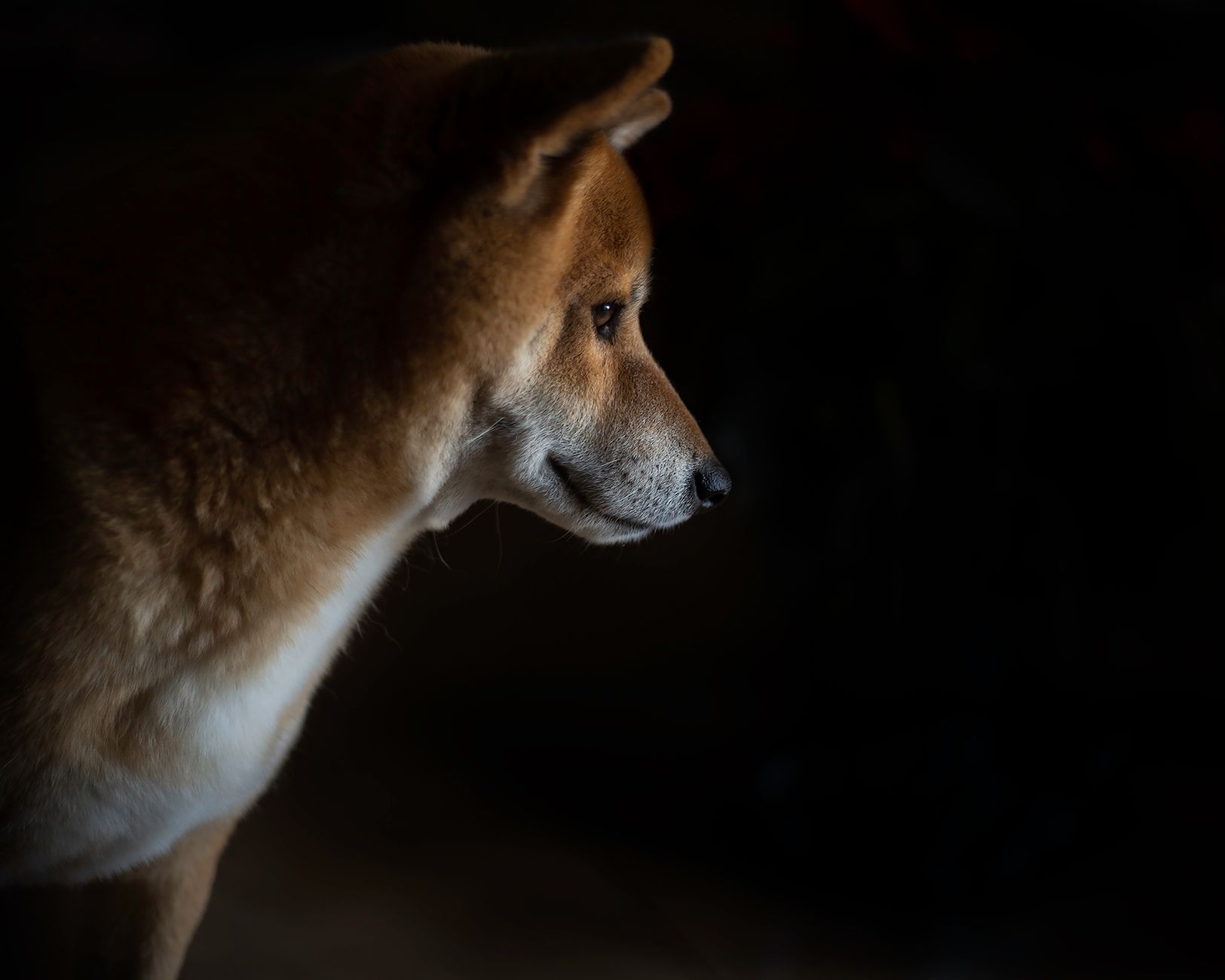
A renaissance pet portrait isn't just costume. It's technique. If the artist can't do these three things, it's not a renaissance portrait — it's a dog in a hat:
Chiaroscuro lighting: One strong light source. Everything else in shadow. The light should rake across the face, catching one eye fully, leaving the other in partial shadow. This creates volume. Flat lighting makes flat paintings.
Glazing: Traditional oil technique. Thin layers of transparent colour built up over an underpainting. It's what gives Old Master paintings that depth — the sense that you're looking into the surface, not at it. Digital artists can mimic this with layer blending modes. Most don't bother. Ask.
Texture rendering: Fur, fabric, metal — each should have its own surface quality. Velvet absorbs light. Silk reflects it. Fur does both depending on the angle. A good artist differentiates. A lazy one uses the same brush for everything.
If you're commissioning through Little Souls' custom portrait service, these elements are standard. The artist will ask for multiple reference photos showing your dog's face from different angles, in natural light. They need to see how light moves across the fur. A single phone snap won't cut it.
Why This Style Endures
Renaissance portraits were designed to outlast the sitter. Painted on wood or canvas prepared to last centuries. Meant to hang in a hall and remind descendants: this person mattered. The format translates to dogs because the relationship is the same. You're not commissioning a cute picture. You're commissioning a record of significance.
The style also bypasses the sentimentality trap. Modern pet portraits often lean sweet — pastel colours, soft focus, the dog mid-romp. Nothing wrong with that. But a renaissance portrait does something else. It takes your dog seriously. Presents them as they see themselves: important, dignified, worth the viewer's full attention. For certain dogs — and certain owners — that's the only honest approach.
The dog zodiac signs that suit this style best: Leo (obviously), Capricorn (status-conscious), Taurus (loves luxury), Scorpio (enjoys being slightly intimidating). But any dog can wear a ruff collar. The question is whether you're ready to see them the way they've always seen themselves.
Ready to Commission Yours
A renaissance pet portrait requires three decisions: archetype (which regional style), costume (how much), and pose (which composition). Everything else — lighting, background, technical execution — is the artist's job. Provide clear reference photos. Specify any costume details you want included. Then step back. The best portraits happen when you trust the artist to do what Titian did: make the subject look like they commissioned the painting themselves.
Explore Little Souls' renaissance portrait style or browse the full portrait gallery to see how period technique translates across breeds.
Sources
- Metropolitan Museum of Art. "Renaissance Portraiture." Heilbrunn Timeline of Art History. https://www.metmuseum.org/toah/hd/port/hd_port.htm
See your dog painted the way you see them
Written by Callum. See their portrait →