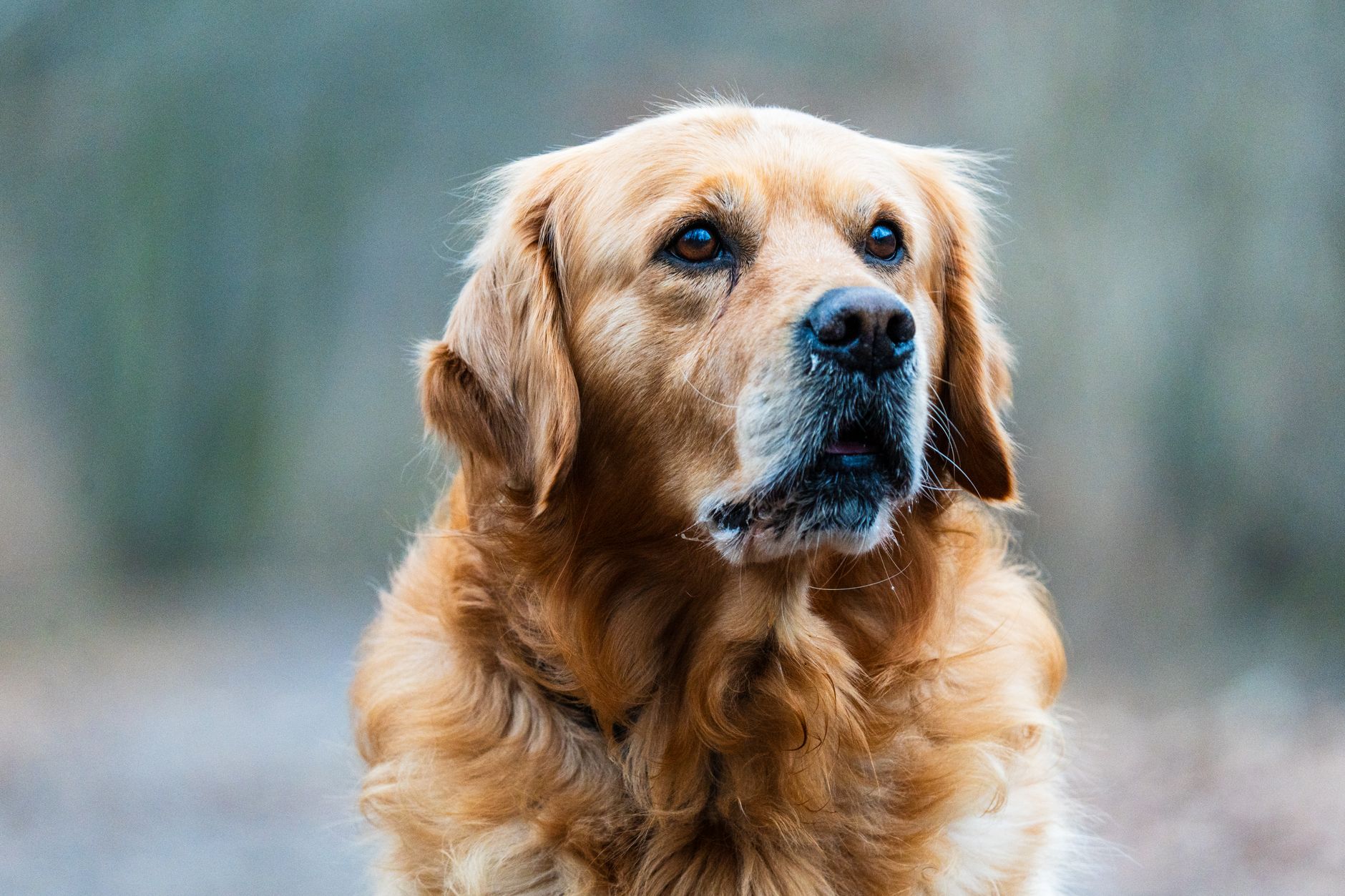

Your dog sleeps sixteen hours a day on a velvet cushion and expects you to open doors. Your cat surveys the garden from a windowsill like it's reviewing troops. They already behave like royalty. A royal pet portrait just makes it official.
This isn't dress-up. It's portraiture in the classical sense—capturing character through visual language. The ruffled collar, the oil-painted robes, the gilded frame: all of it borrows the visual grammar of power that renaissance painters used for actual monarchs. When it works, you look at the portrait and think, "Yes. That's exactly who he thinks he is."
The format has exploded in the last five years, but the good ones still require a proper artist. Digital templates look like digital templates. Hand-painted work—whether traditional oil or high-end digital painting—reads differently. You can see the decision-making in the brushwork.
Why the Royal Format Works for Pets
Renaissance portraiture was designed to communicate status, character, and lineage in a single frame. Painters used posture, costume, and background to encode meaning. A hand resting on a sword hilt meant military authority. Ermine trim meant wealth. A distant landscape through a window meant land ownership.
Pets don't need encoding—they're direct about who they are. But the format translates beautifully. A Cavalier King Charles Spaniel in Tudor dress isn't a joke; the breed was literally bred for Charles II's court. A cat in an elaborate ruff captures their actual self-regard. The formality of the style mirrors the formality pets bring to everyday life. They don't do casual.
The American Kennel Club notes that many modern breeds were developed specifically for aristocratic households, so the visual connection isn't manufactured—it's historical memory.
Choosing Between Period Styles

Most royal pet portraits default to Tudor/Elizabethan (1500s–early 1600s) because the silhouettes are immediately recognizable: ruffed collars, puffed sleeves, jeweled doublets. But there are other options:
Tudor/Elizabethan — High contrast, rich fabrics, architectural collars. Works for breeds with strong facial structure: German Shepherds, Boxers, Bulldogs. The style demands presence.
Georgian (1700s) — Softer, more pastoral. Powdered wigs, silk waistcoats, landscape backgrounds. Better for gentler breeds: Cavaliers, Cocker Spaniels, Ragdoll cats. Less imposing, more refined.
Victorian (1800s) — Military uniforms, medals, darker palettes. Suits working breeds: Border Collies, Retrievers, German Shepherds. The Victorian aesthetic was obsessed with duty and service—it fits dogs bred for jobs.
Baroque (1600s–early 1700s) — Maximum drama. Flowing robes, dramatic lighting, classical columns. For pets with theatrical temperament: Huskies, Maine Coons, Afghan Hounds. Anything that already behaves like it's on stage.
The period should match the dog's actual bearing. A nervous terrier in full baroque regalia looks wrong. A Great Dane in Georgian silk looks underdressed.
What Good Artists Need From You
A royal portrait commission isn't a photo upload and done. The artist needs to make decisions—posture, costume, background, lighting—and those decisions should come from the pet's character, not a template.
Provide:
3–5 photos showing different expressions. Not just the "good" photo. The artist needs to see how your dog holds his head when he's thinking, how your cat's ears sit when she's judging you. Character lives in the between-moments.
A paragraph about temperament. Not "he's sweet"—everyone says that. Specific: "He's anxious around strangers but utterly confident with the family. Sleeps in the dead center of the bed and will not be moved." That tells the artist whether to paint direct eye contact or a three-quarter turn, whether the posture should be open or guarded.
Period preference, if you have one. If you don't, tell them that too. A good artist will suggest based on the dog's build and personality.
Size and framing requirements. Royal portraits are meant to be hung. A 12×16" print in a cheap frame defeats the point. Budget for proper framing—it's half the effect.
Turnaround is typically 2–4 weeks for digital, 4–8 weeks for traditional oil. Rush fees exist but they're steep and the work often shows it.
Digital vs. Traditional Oil
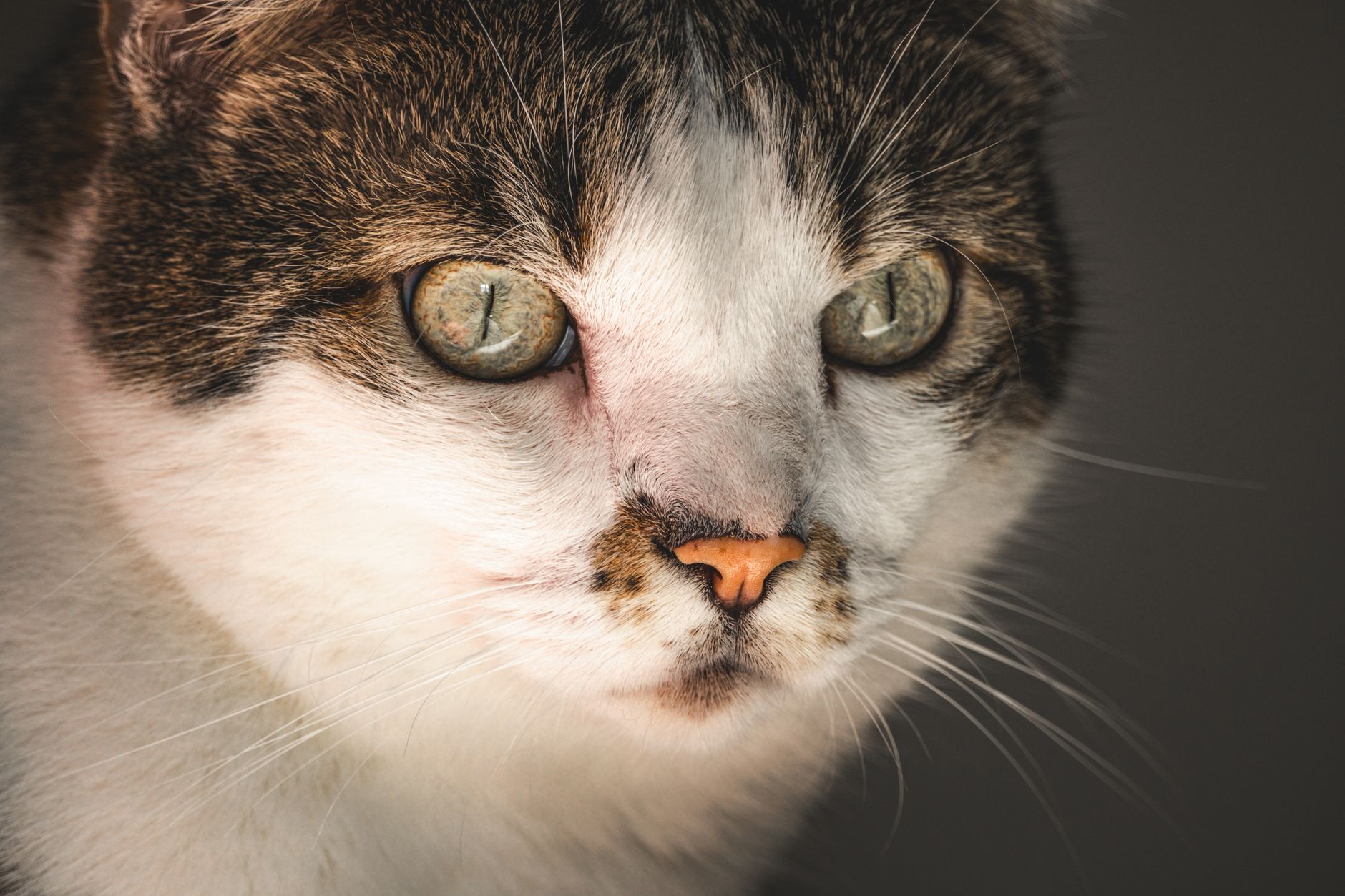
Both can be excellent. Both can be dreadful.
Digital painting (using Procreate, Photoshop, etc.) allows for easy revisions and produces print-ready files. A skilled digital artist builds up layers the same way an oil painter does—it's not a filter. The giveaway of bad digital work is over-smoothing. Fur shouldn't look like plastic.
Traditional oil has texture you can see in person—brushstrokes catch light differently than flat prints. It's slower and can't be revised as easily, so the artist needs to be confident. The trade-off: you own a physical original, not a print of a digital file. For some people that matters.
Price-wise they're similar at the high end (£250–500 for a serious commission). The budget tier (£80–150) is almost always digital, and quality varies wildly. Look at the artist's portfolio. If every pet has the same lighting and pose, they're using a template system. Move on.
Framing and Display
The frame is part of the portrait, not an afterthought. Renaissance paintings were framed in gilded wood because gold leaf catches candlelight—it made the painting glow in dim rooms. You don't need actual gold leaf, but you need visual weight.
Ornate frames suit the style: carved wood, antique gold or silver finish, substantial moulding. Modern minimalist frames (thin black metal, light wood) undercut the whole effect. The portrait is making a deliberate visual argument about grandeur—the frame needs to support it, not argue with it.
Hang it somewhere it can be seen properly. A royal portrait tucked beside the downstairs toilet is a waste. Over the mantle, in the hallway, above a sideboard—anywhere you'd hang a human family portrait. Because that's what it is.
If you want the full effect, add a small brass plaque with your pet's name and a fake Latin title. "Maximus Rex, Defender of the Sofa, Lord of the Garden." Absolutely unnecessary. Absolutely worth doing.
Ready to Commission Your Pet's Portrait?
Your dog already acts like landed gentry. Your cat already expects a retinue. A royal pet portrait just documents what's been true all along. Browse our portrait gallery to see how other pets have been immortalized, or explore our full range of custom pet portrait styles to find the perfect match for your household monarch.
Sources
- American Kennel Club. "Cavalier King Charles Spaniel History." AKC.org. https://www.akc.org/dog-breeds/cavalier-king-charles-spaniel/
See your dog painted the way you see them
Written by Callum. See their portrait →