
The question arrives in the weeks that follow: Am I imagining this?
A sound in the hallway. A dream so vivid you wake expecting to find them beside you. The unmistakable sense that someone just walked through the room.
You are not imagining it. And you are not alone.
Research into continuing bonds — the psychological framework that has largely replaced older "letting go" models of grief — suggests that maintaining an ongoing relationship with the deceased is not pathological but adaptive. A 2011 study published in Death Studies found that sensing the presence of a deceased loved one is reported by 30–60% of bereaved individuals, and is associated with positive adjustment over time.
What follows is not a list of proofs. It is a catalog of what people report — and an invitation to trust your own experience.
Dreams That Feel Different
Most dreams about a lost pet arrive tangled in anxiety: you've forgotten to feed them, or they're hurt, or you wake mid-search.
But some dreams are different.
They are calm. Your pet is whole, healthy, often younger. There is no narrative urgency — just presence. You might be sitting together, or walking, or simply looking at each other. The emotional texture is not longing but reunion.
Many people describe waking from these dreams with a sense of peace they haven't felt since the loss. The grief is still there, but something has shifted.
Whether you understand this as visitation, the psyche's gift, or the brain's way of completing interrupted attachment patterns, the dream has done its work.
Sounds in Familiar Places
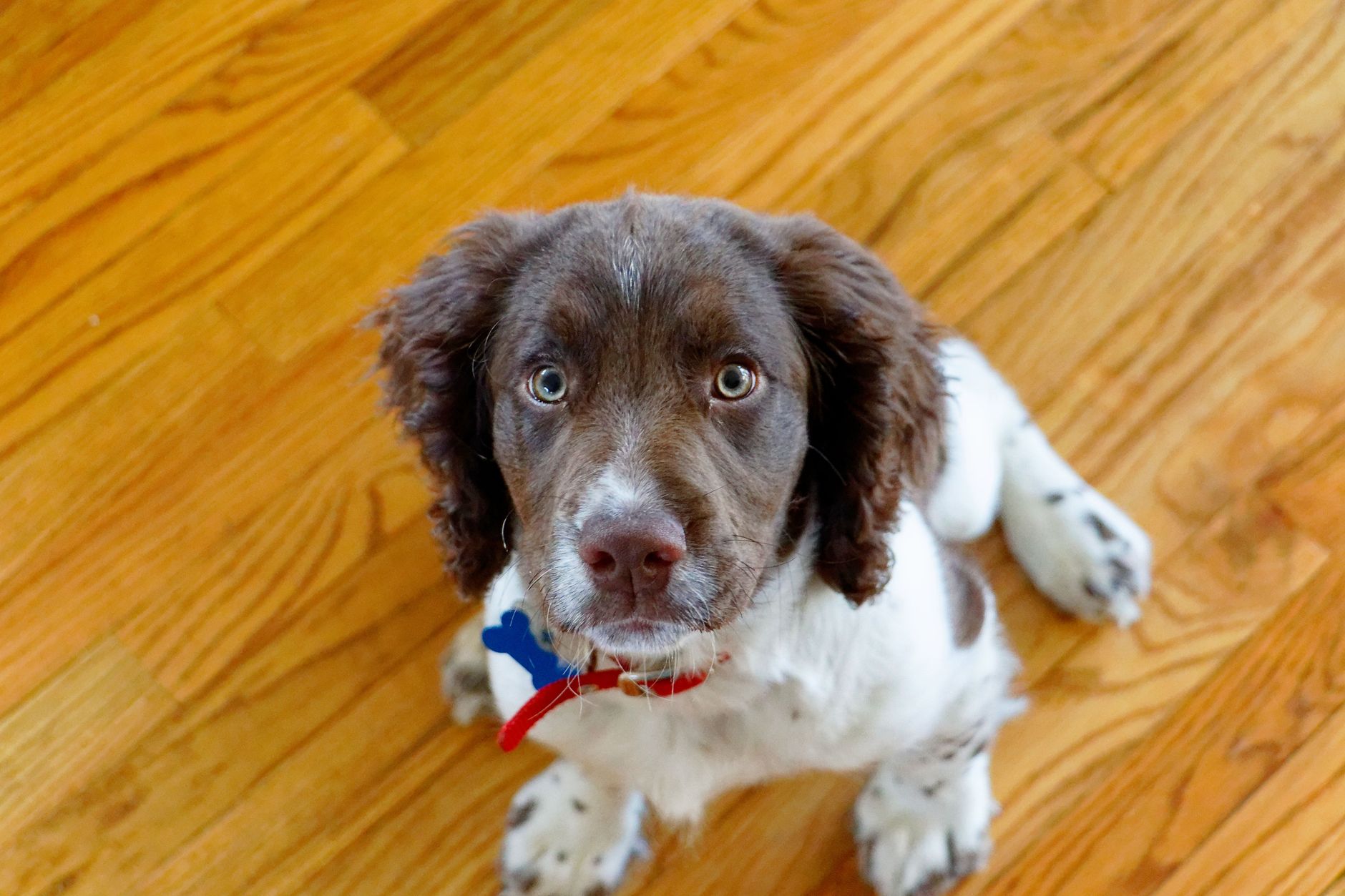
The jingle of a collar in the hallway.
The specific rhythm of their walk across hardwood.
The creak of the spot on the couch where they always settled.
These auditory experiences are among the most commonly reported signs. They tend to happen in quiet moments — early morning, late evening, the pause between tasks.
Some explain this as auditory pareidolia: the brain's pattern-recognition system, trained by years of listening for your pet, continuing to scan the environment. Others experience it as contact.
Both can be true. Grief is love with nowhere to go, and the ear keeps listening.
The Shape of the Absence
Many people report a fleeting physical sensation: weight on the bed, a brush against the leg, the sense of a body settling nearby.
These are proprioceptive experiences — felt in the body, not seen or heard. They are brief, usually occurring in the liminal states between waking and sleep, or in moments of deep rest.
The nervous system has spent years encoding your pet's presence: the pressure of their head on your lap, the warmth along your side at night, the specific vibration of a purr. Those neural pathways do not erase overnight.
Some interpret these sensations as the body's memory. Others as a visitation. The experience itself is neutral; the meaning is yours to make.
Scent Without Source
A sudden, unmistakable scent: the warm-corn-chip smell of paw pads, the specific musk of their fur, even the less pleasant odors you'd learned to love.
Olfactory experiences are particularly powerful because scent is processed through the limbic system — the brain's emotional center — and tied directly to memory. A scent can bypass cognitive processing entirely and land as pure feeling.
These moments are often brief and unannounced. You might be doing something mundane — folding laundry, making coffee — when the scent arrives and leaves.
You are allowed to stop what you're doing. You are allowed to say their name out loud.
Synchronicities and Signs in the World

A song on the radio that was playing the day you met them.
A stranger's dog with the same unusual markings.
A feather, a coin, a butterfly at a moment when you were just thinking of them.
These are the experiences hardest to categorize and easiest to dismiss. They live at the intersection of chance, attention, and meaning-making.
The question is not whether these events are "real" in some objective sense. The question is whether they offer comfort, connection, or a sense of continuity.
If a hawk appearing over the trail where you used to walk together helps you feel accompanied rather than alone, the mechanism matters less than the medicine.
You can honor your pet's memory through ritual objects, small practices, or simply bearing witness to these moments when they arrive.
What These Experiences Mean
There is no consensus interpretation, and that is as it should be.
Some people hold a spiritual framework: the soul persists, love transcends physical death, and these signs are genuine contact.
Others understand these experiences through psychology and neuroscience: the brain resists the finality of loss, continuing bonds are part of healthy grieving, and these sensations reflect the depth of the attachment, not its continuation beyond death.
Many people live in the space between, or move back and forth depending on the day.
What matters is this: the experience is real. The comfort or distress it brings is real. And you do not owe anyone an explanation of what you believe is happening.
The work of mourning includes creating space for grief in whatever forms it takes.
When to Seek Support
Most experiences of sensing a pet's presence are brief, occasional, and emotionally neutral or comforting.
But sometimes these experiences become distressing: intrusive, constant, or accompanied by an inability to function in daily life.
If you are experiencing:
- Persistent hallucinations that feel uncontrollable
- Overwhelming fear or anxiety related to these sensations
- Difficulty distinguishing between memory and present reality
- Withdrawal from relationships or responsibilities
These may be signs of complicated grief, and you deserve professional support. The Association for Pet Loss and Bereavement offers a directory of counselors who specialize in this work.
Grief is not linear, and there is no timeline. But you do not have to carry it alone.
Ready to Honor What You're Feeling?
Little Souls creates personalized astrology readings that honor the bond you shared — and the presence you still feel.
No two relationships are the same. Neither are two griefs.
Explore your pet's cosmic story →
Sources
- Sormanti, M., & August, J. (2011). "Parental Bereavement: Spiritual Connections with Deceased Children." Death Studies, 35(3), 204–227. https://www.tandfonline.com/doi/abs/10.1080/07481187.2011.553312
If they still feel close, give that feeling a place to rest — their face, painted by hand, where you pass it every day.
>
Ready to read your dog's soul?
Written by Rowan. Read your pet's cosmic chart →