

In my exam room, the number-one question after "Is this lump normal?" is some version of "Why won't my dog leave me alone?" The answer is almost always the same: you are their person, and dogs are pack animals wired to stick close to their social core. That's the biology. The degree of Velcro behavior—whether your dog watches you from across the room or physically presses against your leg in the bathroom—depends on breed, early socialization, reinforcement history, anxiety load, and, in my experience, a birth chart that either craves contact or doesn't.
Most of the time, following behavior is healthy attachment. Problems arise when it crosses into separation distress—panting, pacing, destructive behavior when you're out of sight—or when a previously independent dog suddenly becomes clingy, which can flag pain, cognitive changes, or sensory loss. Let's walk through the mechanics, the medical red flags, and what the stars sometimes whisper about why your dog has appointed themselves your personal shadow.
The Pack Instinct: Your Dog's Factory Setting
Dogs descended from wolves that survived by staying close to their pack. Even though your Shih Tzu has never seen a wolf, that evolutionary wiring is still running the show. You are the pack. When you move rooms, your dog's brain reads it as "the group is relocating"—they follow because staying behind feels unsafe.
Puppies and adolescent dogs follow more intensely because they haven't yet learned that you coming back from the kitchen is a reliable event. Older dogs with secure attachment often follow less—they've logged ten thousand trips to the bathroom and trust the pattern. But some dogs never outgrow it, especially breeds developed to work alongside humans all day. Herding breeds (Border Collies, Australian Shepherds, Corgis) and velcro sporting breeds (Golden Retrievers, Vizslas) were literally selected for the trait of keeping a human in their sightline. It's not neurosis—it's the job description.
Separation Anxiety vs. Normal Attachment
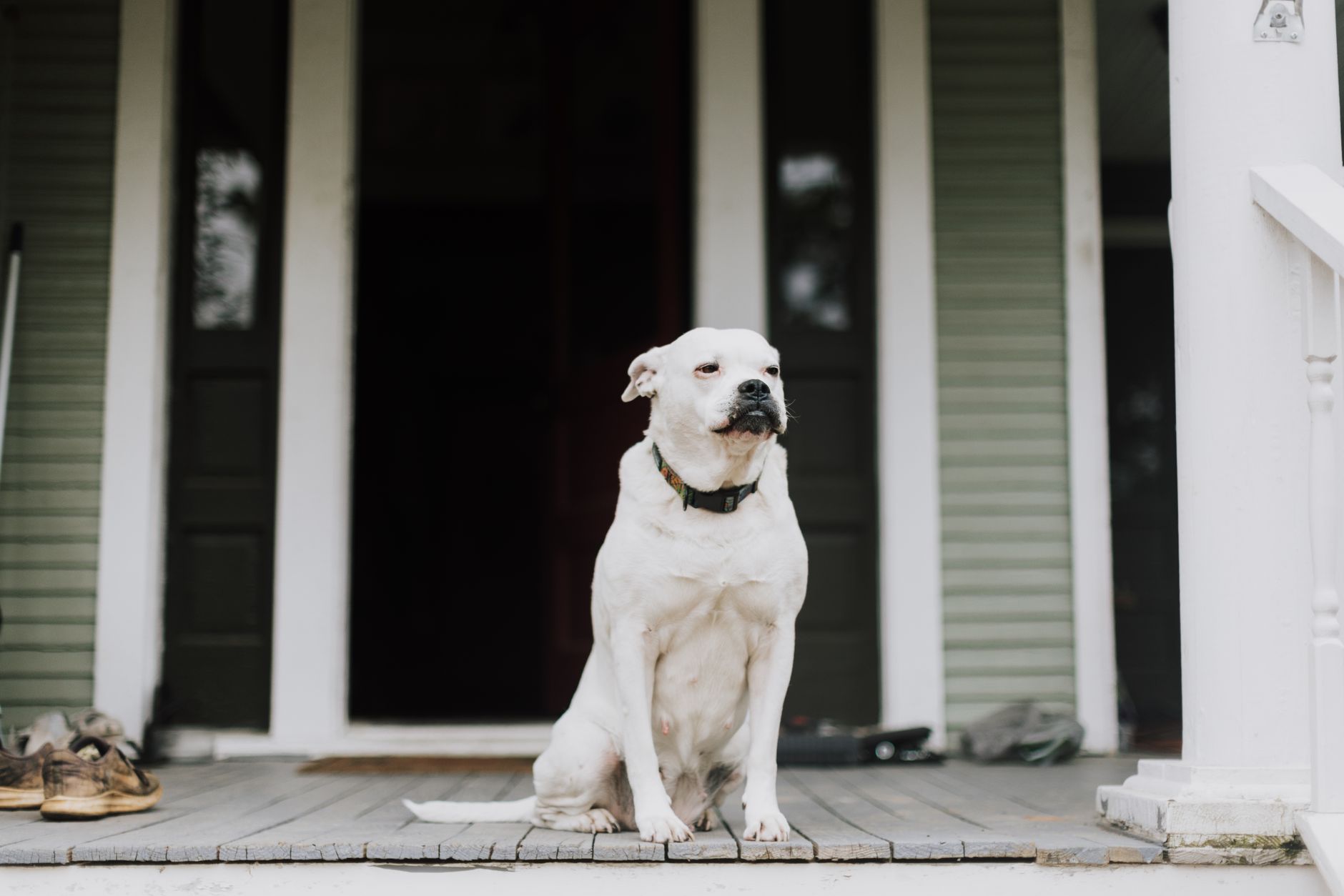
This is the clinical distinction that matters. A dog with healthy attachment follows you, settles when you settle, and can occupy themselves when you're boring. A dog with separation anxiety follows you and shows distress when you're gone: destructive chewing, house soiling, excessive barking, pacing, drooling, refusal to eat.
Separation anxiety is nervous-system stuff—it's not about love, it's about a dog whose stress response fires when their attachment figure disappears. I see it most often in dogs with disrupted early socialization, shelter backgrounds, or after a major life change (move, loss of another pet, owner's schedule shift). According to the American Veterinary Medical Association, true separation anxiety affects around 20–40% of dogs seen for behavioral issues and often requires a combination of behavior modification, environmental management, and sometimes medication.
If your dog follows you everywhere but can hang out calmly when you leave, that's attachment. If they follow you everywhere and destroy the couch when you're gone, that's anxiety. Worth a conversation with your vet or a veterinary behaviorist.
Reinforcement: You Taught Them This
Dogs repeat behaviors that get rewarded. If every time your dog follows you into the kitchen, you give them a piece of cheese or a head scratch, you've built a reinforcement loop. They're not manipulating you—they're just good at learning.
I see this a lot with people who work from home. The dog learns that following you to your desk sometimes results in a walk, a treat, or play. Even intermittent rewards (the most powerful kind) keep the behavior strong. If you want less following, you need to stop rewarding it and start rewarding independent settling—give the treat when they're on their bed across the room, not when they're at your feet.
This isn't about withholding affection. It's about teaching your dog that proximity isn't the only path to good things. Some dogs figure this out on their own. Others need you to build the map.
Medical and Age-Related Causes
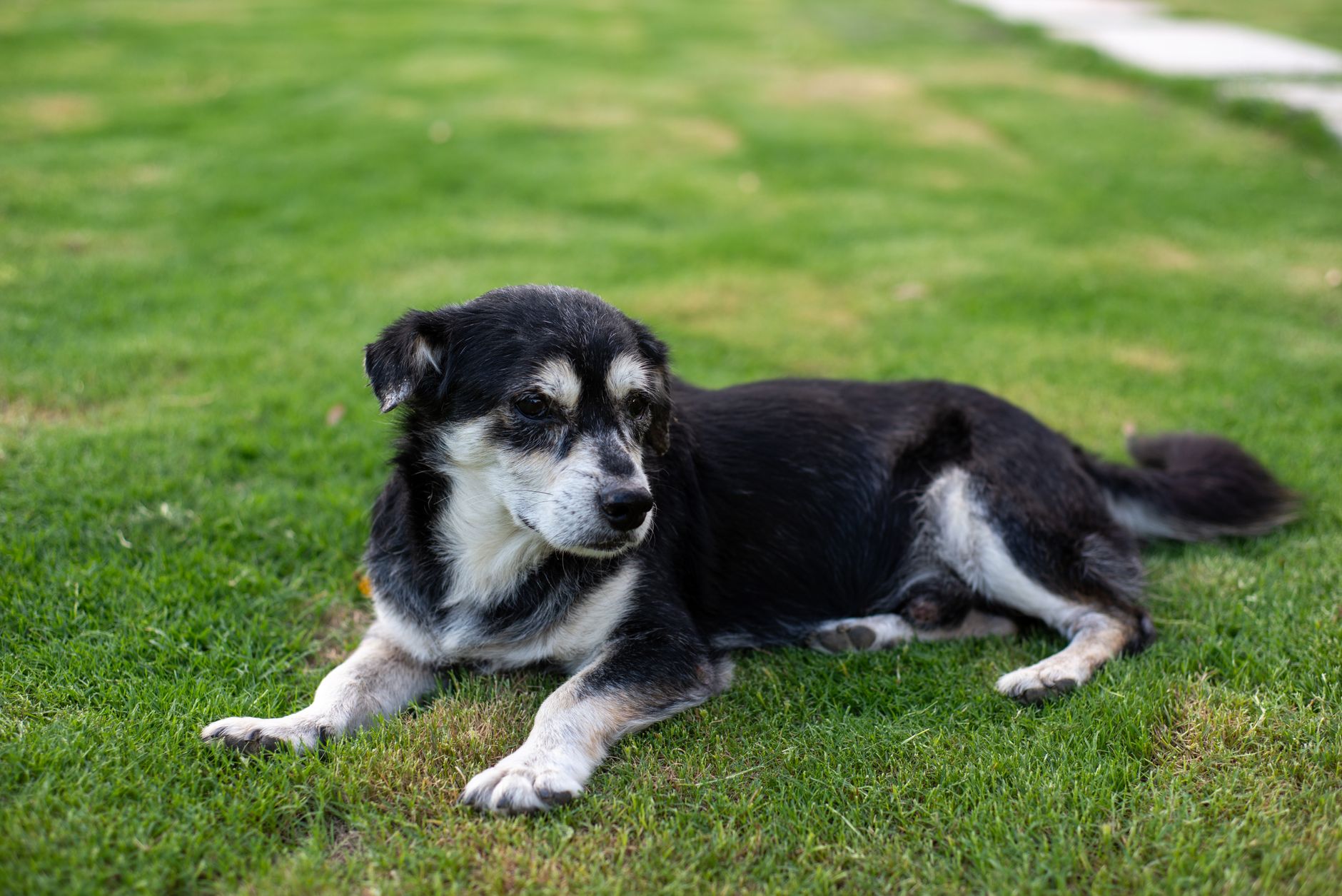
Sudden-onset shadowing in an older dog makes me think medical first. Cognitive dysfunction (canine dementia) often presents as clinginess—dogs lose their spatial map of the house and stick close to you because you're the one landmark they recognize. Vision or hearing loss does the same thing: the world gets scarier, so they glue themselves to the safest thing in it.
Pain is another quiet symptom. A dog with arthritis or a brewing illness may follow you more because they feel vulnerable and you represent security. If your independent dog suddenly becomes your shadow—especially if they're over seven—get a full exam. Blood work, orthopedic palpation, neuro check. The body keeps the score.
Hypothyroidism and early kidney disease can also shift behavior before they shift lab values. I've had clients say "He's just getting clingy in his old age" and we find a tumor or a failing organ. Not always, but often enough that I don't ignore it.
Birth Chart Patterns in Velcro Dogs
This is where I step outside the textbook. I can't put it in a journal, but I see it: dogs with prominent Cancer or Libra placements follow hard. Cancer is the nurturer, the home-body, the one who feels safest in contact. Libra hates being alone—they're relationship-oriented, and you are the relationship. I've met Cancer Moon dogs who will sit outside the shower because being in a different room feels like abandonment.
Aquarius and Sagittarius dogs? They check in, but they're off doing their own thing. Aquarius likes you, but they don't need you every second. Sagittarius is too busy investigating the perimeter. Scorpio dogs follow, but it's surveillance—they're tracking you, not clinging. Taurus dogs follow you to the kitchen and stop there (food > you).
Virgo dogs often follow because they've assigned themselves a job: you are the task. Earth signs in general (Taurus, Virgo, Capricorn) are less clingy unless you've reinforced it heavily. Water signs (Cancer, Scorpio, Pisces) are the emotional Velcro—it's not anxiety, it's just how they bond. Fire signs (Aries, Leo, Sagittarius) follow when it's interesting. Air signs (Gemini, Libra, Aquarius) follow for social reasons, but Gemini gets distracted halfway through.
I'm not saying the chart causes the behavior—I'm saying it rhymes with it. The whole animal is biology, history, and something else I can't name but keep seeing.
Explore your dog's full birth chart and behavioral blueprint to see how their placements shape attachment, independence, and the way they move through the world with you.
When to Worry (and When to Just Get a Longer Leash)
Call your vet if:
- The following behavior is new and sudden, especially in an adult or senior dog
- Your dog shows distress when you leave: panting, drooling, destruction, house soiling, refusal to eat
- They're following and showing other changes: appetite loss, lethargy, limping, disorientation, circling
- The behavior is interfering with their quality of life—they won't settle, won't sleep, won't eat unless you're right there
Don't worry if:
- Your dog has always been a shadow and is otherwise happy, healthy, and can relax when you do
- They're a breed known for velcro behavior (herding, sporting, companion groups)
- They follow you but also have independent activities—chewing a toy, napping, watching the yard
- You've reinforced it and you're fine with it (some people like the company)
You don't have to fix normal attachment. You only need to intervene if it's causing suffering—yours or theirs.
Ready to Understand the Whole Animal?
Your dog's birth chart won't tell you they have hip dysplasia, but it will tell you whether their following behavior is emotional velcro, job-driven vigilance, or just a Libra who hates being alone. Start a SoulSpeak session and see what the stars say about the way your dog loves you—and whether that love comes with a side of separation anxiety or just a really strong preference for your company.
Sources
- American Veterinary Medical Association. (n.d.). Separation Anxiety. Retrieved from https://www.avma.org/resources/pet-owners/petcare/separation-anxiety
Ready to read your dog's soul?
Written by Elena. Read your pet's cosmic chart →