The question isn't which pet portrait style is most popular or technically impressive. It's which one will make you stop in the hallway six months from now and feel the exact shape of your dog's presence in the room. That requires knowing what each style actually does—not just how it looks, but what it says.
Some dogs are soft around the edges. Others are all structure and will. The medium you choose becomes the frame for that truth. Here's how to find yours.
Watercolor: For the Soft-Hearted and the Gentle
Watercolor dissolves boundaries. The pigment bleeds, the edges soften, and what you're left with is a feeling more than a photograph. This is the style for dogs whose sweetness is their most defining trait—the ones who rest their heads in your lap without asking, who move through the world like they're apologizing for taking up space.
It works beautifully for breeds with soft coats and round faces: Golden Retrievers, Cavalier King Charles Spaniels, Ragdoll cats. But it's not about the breed—it's about the energy. If your dog's presence feels like a warm room, watercolor will honor that.
The technique itself mirrors their nature. Watercolorists work with transparency, layering washes to build depth without ever fully controlling the outcome. There's a surrender in it. That's why it suits pets who taught you to soften, too.
Oil Painting: For Legacy and Emotional Weight
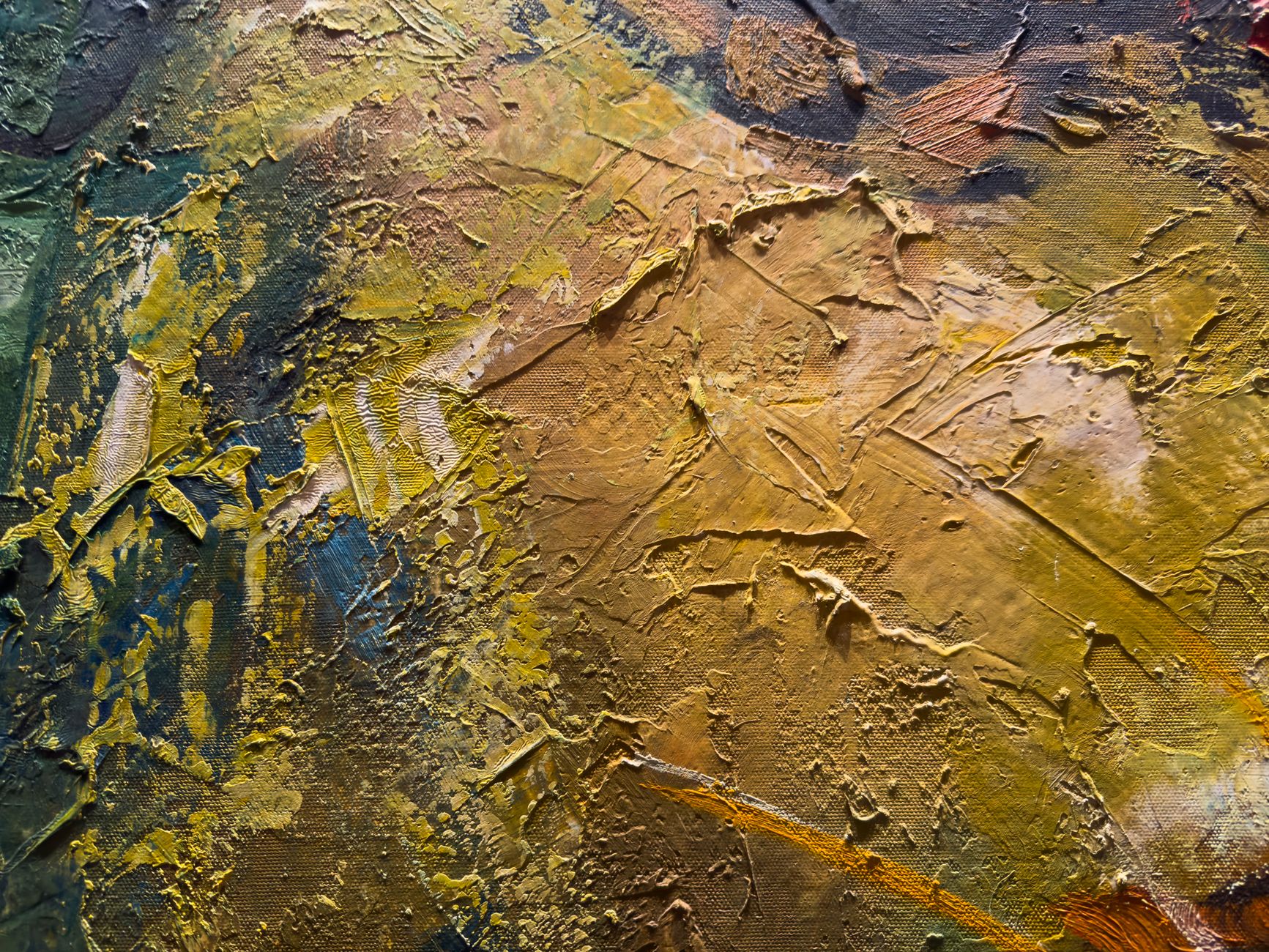
Oil paint has body. It sits on the canvas in thick, deliberate strokes, building texture you can almost feel from across the room. This is the style for dogs who carried weight in your life—the ones whose loss or presence fundamentally changed you. It's also the choice when you want a portrait that feels like an heirloom, something future generations will inherit and understand mattered.
The American Kennel Club notes that commissioned pet portraits have been a marker of status and devotion since the 18th century, with oil being the medium of choice for formal legacy work. That history still holds. Oil paintings ask to be taken seriously. They don't apologize for sentiment.
This style suits strong-bodied breeds—German Shepherds, Rottweilers, Maine Coons—but again, it's about spirit, not silhouette. If your dog's loyalty felt like an anchor, oil painting gives that weight a form.
Cosmic and Astrology Styles: For the Spiritually Bonded
Some pet owners experience their animals as soul contracts, not coincidences. If you've ever looked at your dog's birth chart or felt that your meeting was written in something larger than chance, a cosmic pet portrait makes that visible. These pieces layer your pet's image with celestial maps—constellations, birth charts, planetary alignments—turning the portrait into a record of both their physical form and their energetic signature.
This isn't decorative astrology. It's for people who genuinely use their pet's chart placements to make sense of behavior, who see the stars as a language for a thing they already felt. The visual result is layered, mystical, often dark-skied with glowing accents. It works for any breed, but especially for dogs whose intensity or sensitivity felt otherworldly—your Husky who seemed to see through you, your Siamese who only bonded with you.
You can explore different cosmic astrology portrait approaches to see how artists interpret birth data visually. Some overlay constellation maps directly onto the pet's silhouette; others frame the portrait with a sky chart from their birth moment.
Royal and Renaissance Styles: For the Dignified and Regal
Dressing your pet in a ruffled collar and military regalia might sound campy, but when it's done well—when the artist understands that the humor is secondary to the reverence—it becomes a love letter. Royal portraits work because they exaggerate a truth: that your pet was, in fact, the most important figure in your household. The joke is that everyone else already knew it.
This style suits breeds that carry themselves with natural dignity—Poodles, British Shorthairs, Boxers—but it's really about personality. If your dog had opinions, preferences, and a clear sense of their own importance, a royal portrait lets you say: yes, you were exactly that grand.
The Renaissance style takes this further, placing your pet in classical compositions with dramatic lighting and rich, dark backgrounds. It's Rembrandt for dog owners. It's not for everyone, but for the right pet—and the right owner—it's perfect.
Modern, Minimalist, and Line Art: For the Design-Conscious
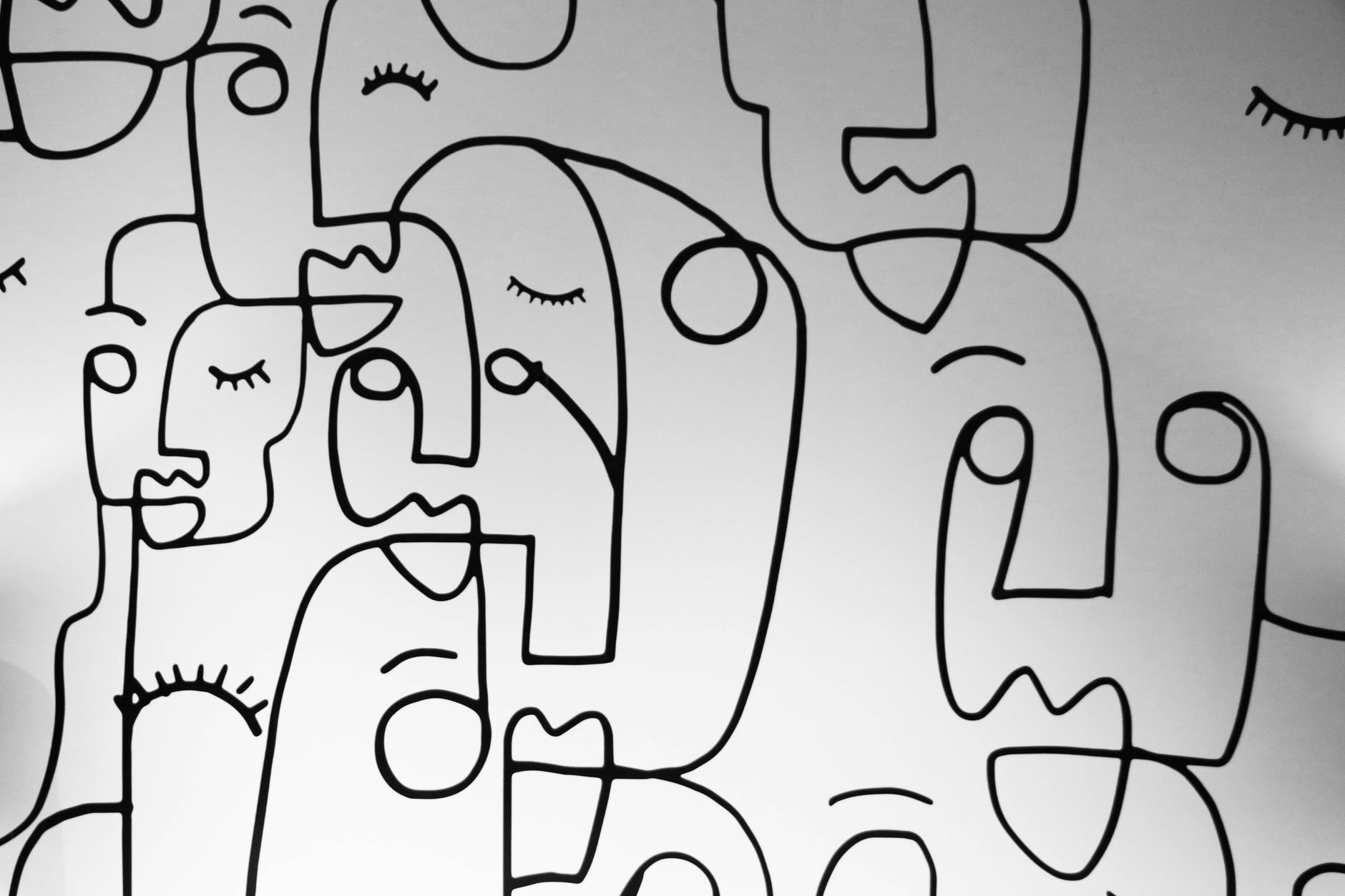
Some people want a portrait that integrates into their home without announcing itself. Modern minimalist and line art styles reduce your pet to their essential shape—a single continuous line, a block of color, a geometric abstraction. The result is elegant, unobtrusive, and still unmistakably them.
This works best when your home's aesthetic is already clean-lined and intentional, or when the portrait is meant to live in a professional space. It's not about loving your pet less; it's about honoring them in a visual language that matches how you move through the world. If you're someone who finds peace in order and clarity, a minimalist portrait can feel more honest than a hyper-detailed rendering.
Line art portraits in particular have a meditative quality—the artist's hand moving in one unbroken gesture, the way your dog's presence in your life was one continuous thread. There's a simplicity that doesn't erase complexity. It just doesn't need to prove it.
How to Choose: Matching Style to Spirit
The technical answer is that you choose based on where the portrait will hang, your existing decor, and your budget. The real answer is that you choose the style that makes you feel the thing you're trying to preserve.
Ask yourself: What do I want to feel when I look at this in five years? Not "happy"—more specific than that. Do you want to feel their gentleness? Their gravity? The bigness of the bond? The memory of how they made you laugh? Different styles hold different emotional registers, and the right one is the one that doesn't let you look away.
If you're commissioning a portrait as a memorial, the stakes are even higher. You're not decorating—you're building a place for your grief to live that doesn't swallow you. In that case, I'd say: go toward beauty. Go toward the style that feels like an honoring, not a documentation. Let the portrait be the shape your love takes now that they're not in the room.
You can see how different artists interpret these styles in the portrait gallery, where each piece is tagged by both breed and artistic approach. Sometimes seeing the range is what clarifies your own instinct.
Ready to Commission the Portrait That Feels Like Them
The right portrait doesn't just look like your dog. It feels like the relationship you had—the texture of it, the emotional truth. Whether that's watercolor softness, oil painting gravitas, or a cosmic map of their soul, the choice is about honoring what was real between you.
Start by exploring the full range of custom pet portrait styles and see which one makes you stop scrolling. That's the one.
Sources
- American Kennel Club. "The History of Dog Portraits." AKC Expert Advice. https://www.akc.org/expert-advice/lifestyle/history-of-dog-portraits/
See your dog painted the way you see them
Written by River. See their portrait →