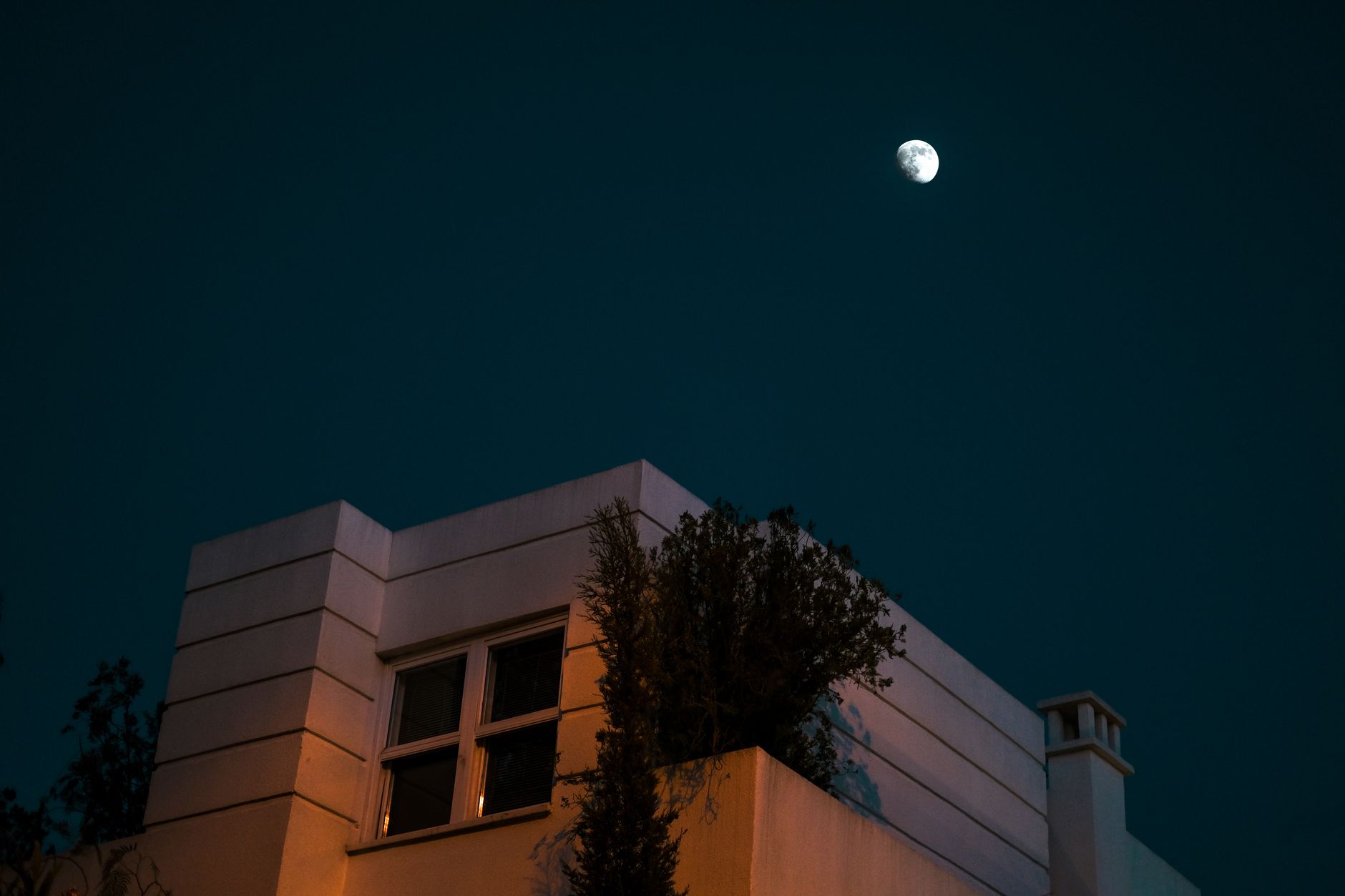

Your cat has been staring at the window for twenty minutes. It's 1 a.m., the moon is full, and she's making that low chirping sound she reserves for birds she can't reach. Three weeks ago, during the new moon, she spent two days under the bed, emerging only for food. You've started to notice a pattern.
Cats are crepuscular hunters whose ancestors timed their activity to prey availability, predator safety, and light conditions. The moon's 29.5-day cycle created a predictable environmental calendar—bright nights meant visible prey but also visible predators; dark nights offered cover but required sharper senses. Modern housecats retain this lunar sensitivity, even when their only prey is a feather wand and their only predator is the vacuum cleaner. According to the Cornell Feline Health Center, cats maintain strong circadian and lunar behavioral patterns despite domestication, responding to light cycles, barometric pressure, and electromagnetic shifts tied to the moon's gravitational pull.
Full Moon: Peak Activity and the Zoomies
The full moon brings measurable increases in feline activity—more nighttime vocalizations, more 3 a.m. sprints across hardwood, more sudden fixations on empty corners. This isn't folklore. The additional nighttime illumination (up to 0.25 lux, compared to starlight's 0.001 lux) disrupts melatonin production and shifts your cat's activity window earlier into the night. Wild felines hunt more successfully under full moons because prey is visible; housecats experience the same neurochemical surge without the outlet.
You'll see:
- Extended play sessions before bed that don't seem to tire her out
- Increased vocalization, especially the yowling that sounds almost conversational
- Restless pacing near windows or doors
- Sudden explosive energy (the classic 2 a.m. zoomies)
- More frequent requests for attention or play
This is your cat's prey drive activated by ancestral cues. She's not misbehaving; she's responding to an environmental signal that once meant "hunting window open." The solution isn't punishment—it's channeling. A vigorous play session two hours before bed, using a wand toy that mimics erratic prey movement, can satisfy the neurochemical itch. If you have a tabby cat, you're working with a pattern-coat that historically excelled at low-light hunting; full moon restlessness may be especially pronounced.
New Moon: Withdrawal and the Quiet No

The new moon brings the opposite energy—your cat becomes a shadow. She sleeps longer, interacts less, and declines invitations to play with a quiet dignity that borders on disdain. This isn't depression or illness (though sudden behavioral changes always warrant a vet visit). It's a consent-based withdrawal rooted in survival instinct.
In true darkness, wild cats minimize energy expenditure and avoid predator attention. Hunting success drops without visual confirmation of prey; the risk-reward calculation shifts toward conservation. Your housecat, safe from predators and fed by a large bipedal servant, still feels the pull toward stillness. Her pupils dilate wider in low light, which increases visual sensitivity but also sensory fatigue. She's not ignoring you—she's managing her nervous system.
You'll notice:
- Longer sleep cycles, especially during daylight hours
- Preference for enclosed hiding spots (under beds, in closets, behind furniture)
- Reduced appetite or slower, more deliberate eating
- Less tolerance for handling or sudden movements
- A general aura of "I'm busy being a small, complicated god; come back later"
This is the phase to respect boundaries. Forced interaction during new moon withdrawal can erode trust. Instead, create cozy, enclosed rest spots with soft bedding in quiet areas. If you're considering a custom cat portrait that captures her true essence, new moon energy is that regal, self-contained stillness—the cat deciding when and whether to grace you with her presence.
First and Last Quarter: Restless Transition Energy
The quarter moons—first quarter (waxing) and last quarter (waning)—bring the most unpredictable behavior. These are transition phases, neither fully bright nor fully dark, and your cat may seem uncertain about what mode to occupy. One hour she's playful; the next she's irritable. She solicits petting, then bites. She meows at the door, then refuses to go outside (or, if she's indoor-only, stares at the door with existential longing).
Quarter moons coincide with shifting tidal forces and subtle changes in electromagnetic fields. While we can't measure a cat's direct sensitivity to these forces, behavioral studies on multiple species show increased restlessness, disrupted sleep, and erratic activity during quarter phases. Your cat is caught between two behavioral programs—the active hunting mode and the conservative resting mode—and neither fully activates.
You'll see:
- Inconsistent energy levels throughout the day
- Increased sensitivity to sounds, movements, or changes in routine
- More frequent "false alarms"—reacting to nothing visible
- Difficulty settling for sleep, even in preferred spots
- A general air of low-grade irritation
This is the phase for predictability. Keep feeding times, play sessions, and bedtime routines as consistent as possible. Avoid introducing new furniture, rearranging spaces, or bringing home new pets during quarter moons—your cat's tolerance for novelty is already taxed. If you're exploring cat zodiac signs to understand her baseline temperament, quarter moon behavior will amplify her sign's challenging traits (Aries cats become more impatient, Cancer cats more clingy, Virgo cats more critical).
The Science Beneath the Mystery
Lunar influence on animal behavior isn't mysticism—it's documented across species. The moon's gravitational pull affects tidal rhythms, which influence barometric pressure, which shifts animal activity patterns. Increased nighttime light during full moons suppresses melatonin and advances activity windows. Electromagnetic field variations during lunar phases correlate with changes in migration timing, reproductive cycles, and predator-prey dynamics.
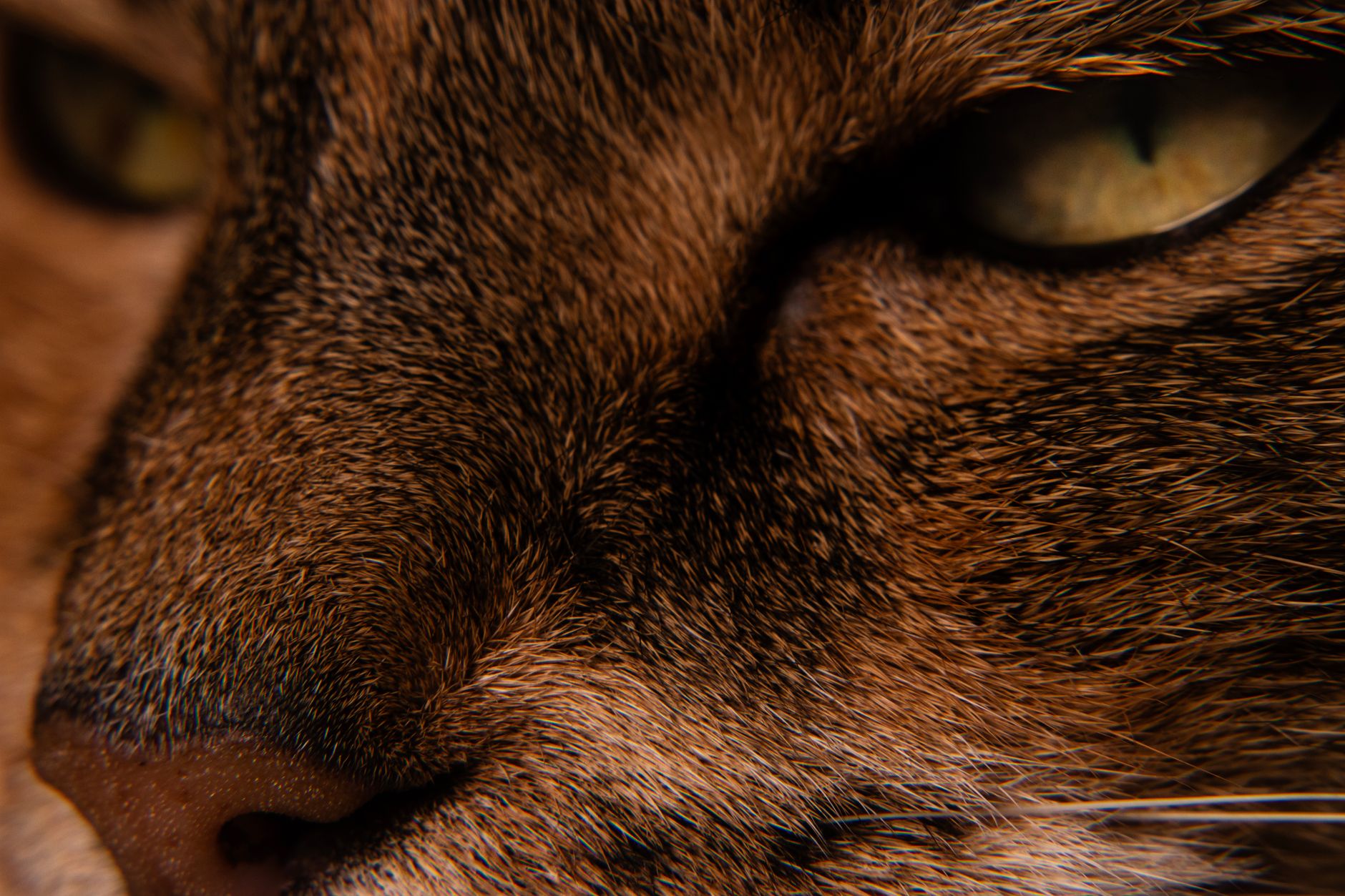
Cats, as obligate carnivores with highly specialized sensory systems, are particularly attuned to environmental cues that signal prey availability. Their eyes contain a tapetum lucidum—a reflective layer that amplifies available light—making them six to eight times more sensitive to illumination changes than humans. Their whiskers detect air pressure shifts. Their inner ears sense subtle changes in gravitational pull. They're not reading the lunar calendar; they're responding to a cascade of environmental data that the moon's cycle orchestrates.
For your black cat, this sensitivity may manifest differently than for a Siamese. Melanistic cats (black-coated) historically faced different hunting pressures—more successful in low light, more vulnerable in bright moonlight—which may have selected for slightly different lunar response patterns. Siamese cats, bred for centuries in temple environments with controlled lighting, may show muted lunar responses compared to cats with recent feral ancestry.
Reading Your Specific Cat's Lunar Pattern
Every cat expresses lunar sensitivity through her individual temperament, history, and environment. A confident, secure cat may show subtle shifts—slightly longer play sessions at full moon, slightly more napping at new moon. An anxious or traumatized cat may show dramatic swings—full moon panic, new moon shutdown.
Start a lunar behavior journal. Note the moon phase (dozens of apps track this) and your cat's activity level, vocalization, appetite, and tolerance for interaction. After three full cycles (about 90 days), patterns emerge. You might discover your cat's most affectionate during waxing crescents, or that her worst litter box issues cluster around last quarters.
This isn't about prediction—it's about partnership. When you understand that her 2 a.m. yowling isn't defiance but a neurochemical response to environmental cues, you stop taking it personally. When you recognize new moon withdrawal as self-care rather than rejection, you stop forcing connection. The cat is deciding, always, how to allocate her energy and attention. The moon simply shifts the variables in that internal calculation.
If you're drawn to capturing this lunar connection visually, a cosmic pet portrait maps her birth sky—planets, moon phase, and rising sign—into fine art that honors her celestial nature. It's the physical reminder that she's not just a pet; she's a small, complicated god navigating forces older than domestication.
Ready to Honor Your Cat's Cosmic Nature?
Your cat's lunar sensitivity isn't a quirk to manage—it's a window into the ancient rhythms she still carries. When you track her moon phase moods, you're not indulging superstition; you're practicing consent-based companionship, meeting her where she is rather than demanding she conform to a human schedule. That's the deepest form of respect we can offer another being.
Little Souls creates hand-painted astrological portraits that capture your cat's true character—moon phase, birth chart, and the particular quality of light in her eyes when she's deciding whether to grace you with her presence. It's not a photo filter. It's a collaboration between your memories, her cosmic blueprint, and an artist who understands that cats are consent-based creatures deserving of portraiture that honors their sovereignty.
Sources
- Cornell University College of Veterinary Medicine, Cornell Feline Health Center. "Feline Behavior Problems." https://www.vet.cornell.edu/departments-centers-and-institutes/cornell-feline-health-center/health-information/feline-health-topics/feline-behavior-problems
Ready to read their feline soul?
Written by Maggie. Read your pet's cosmic chart →