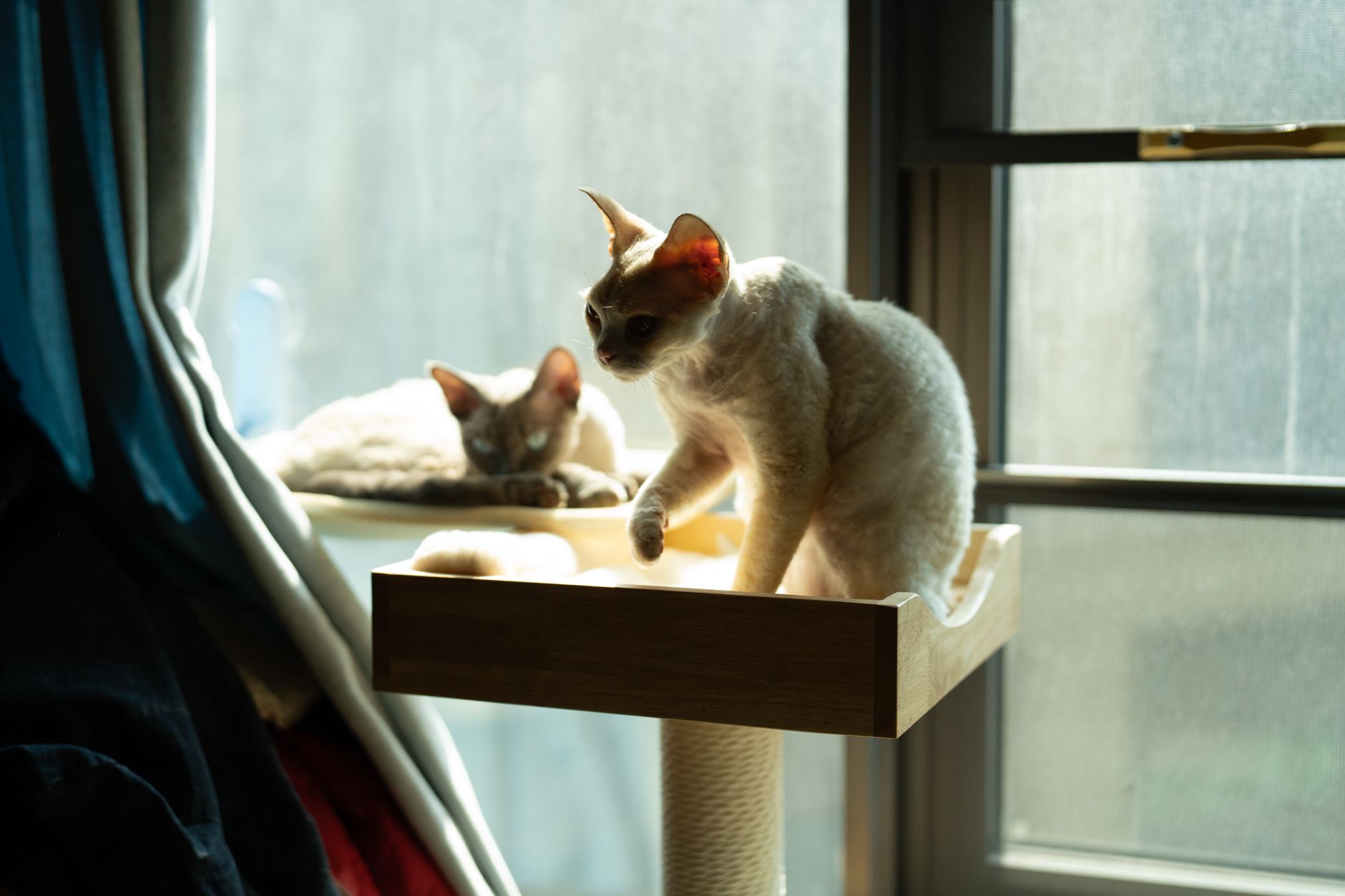
A custom cat portrait isn't about perfect symmetry or Instagram angles. It's about capturing the specific tilt of an ear when your cat is deciding whether to acknowledge you—the feline economy of movement that makes them them. The difference between a generic cat painting and a portrait of your cat lives in those details: the way her tail question-marks when she's curious, the particular disdain in her slow blink, the empire she's built on the back of your couch.
The best custom work happens when you find an artist who understands that cats are consent-based creatures. They don't perform. They allow or they don't.
What Makes a Cat Portrait Actually Custom
Custom means the artist is painting your cat's personality, not just their markings. A good portrait captures:
The specific geometry of their face. Not "orange tabby" but the exact placement of those three freckles on her nose leather, the asymmetry in her whisker pattern, the way one ear sits slightly lower because she had an infection as a kitten.
Their signature posture. Does your cat loaf with paws tucked military-precise? Sprawl like they're been poisoned? Sit bolt upright, a small complicated god surveying their domain? That posture is character.
The mood in their eyes. Cats have a specific gaze for their person—not the stranger-stare or the bird-watching intensity, but the look that says I have chosen to be in your general vicinity and am not unhappy about it. That's what belongs in a portrait.
The Cornell Feline Health Center notes that cats communicate primarily through body language and subtle facial expressions—which means a portrait that misses those subtleties misses the cat entirely.
I've seen custom cat portraits that looked technically perfect but completely dead behind the eyes. And I've seen slightly wonky paintings that captured a cat so precisely their person cried. The difference is whether the artist painted a cat or painted that cat.
Choosing Your Portrait Style
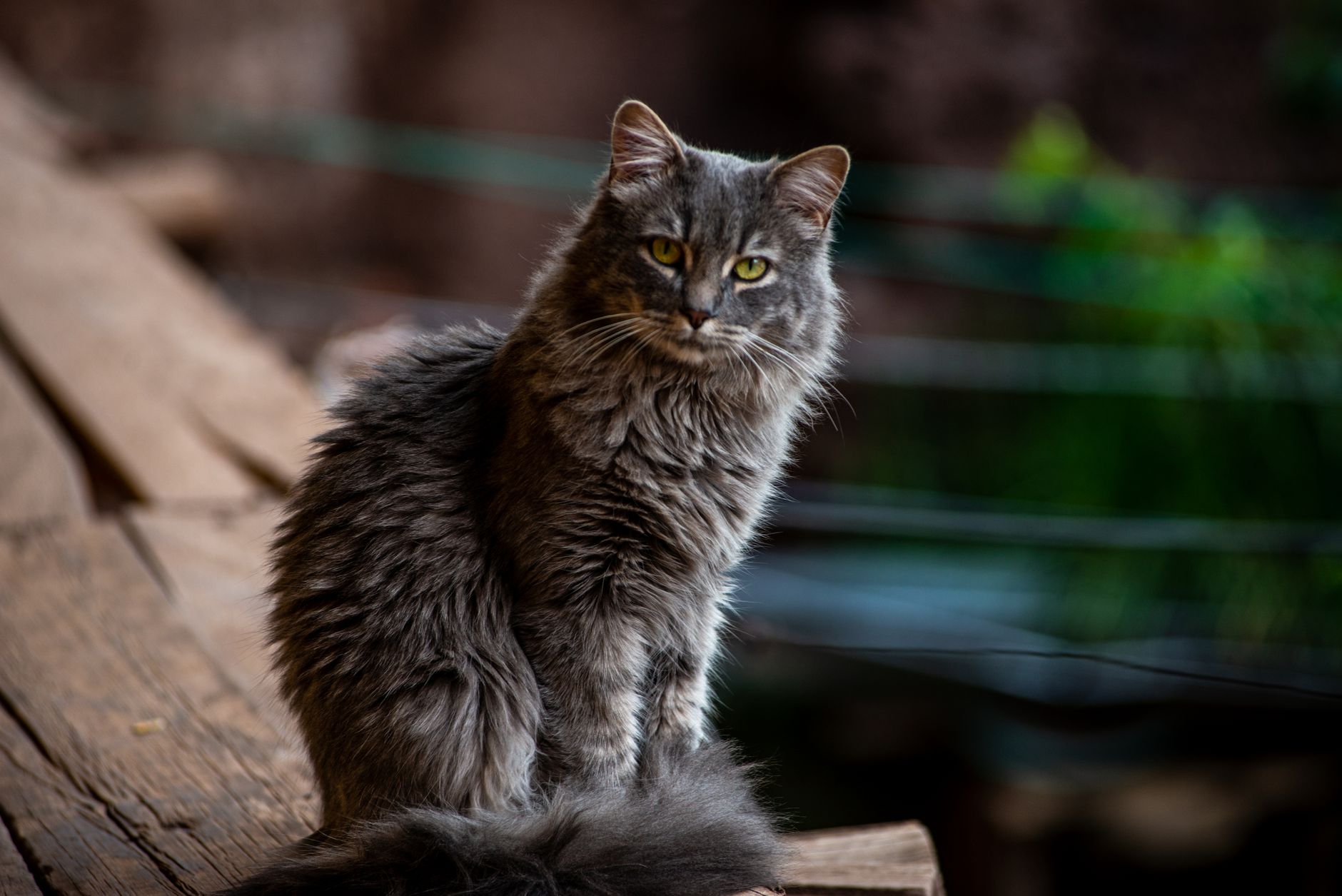
The art style should match your cat's energy, not your decor.
Watercolor suits cats who move like liquid—the ones who pour themselves into impossible spaces, who exist in soft focus most of the day. The medium's transparency mirrors how cats occupy space: present but not insistent.
Renaissance or royal styles work for cats with natural gravitas. The ones who sit like they're posing for currency. Regal doesn't mean aloof—it means they carry themselves with the certainty that they are, in fact, in charge.
Modern minimalist or line art captures cats who are all economy of movement—the athletes, the hunters, the ones who can be asleep and then on top of the refrigerator in 1.3 seconds with no intermediate steps.
Cosmic astrology style makes sense if your cat has that otherworldly quality—the ones who stare at empty corners, who seem to be receiving transmissions from elsewhere, who were definitely something important in a past life.
Your cat's birth month personality might guide you here. A July cat (Cancer) wants something warm and emotionally resonant. An October cat (Libra) might prefer clean, balanced composition. A December cat (Sagittarius) probably wants drama.
The Commission Process: What to Expect
A legitimate custom cat portrait takes time because the artist is studying your cat, not just copying a photo.
Timeline: 2–4 weeks for hand-painted work. Faster usually means digital or print-on-demand, which has its place but isn't the same thing. Oil paintings take longer than watercolor because of drying time between layers.
Photos you'll need: 6–10 images showing your cat in different contexts. Not all glamour shots—include the weird ones. The mid-yawn photo. The sprawled-in-sunbeam shot where they look boneless. The blurry action shot that somehow captures their personality better than any posed picture. Artists need to see your cat being your cat.
What the artist will ask: Personality notes matter more than you'd think. "She's suspicious of guests but obsessed with the mail carrier" tells an artist something. "He only sits on things that belong to other people" is character. "She has one toy she's had for nine years and she'll cut you if you touch it" is extremely relevant information.
Revisions: Most artists include 1–2 rounds. But if you've chosen someone who actually listens during intake, you usually won't need them. The portrait works or it doesn't—and that's usually decided in the sketch phase.
Reference Photos That Actually Help

The photo quality matters less than what the photo reveals.
Good natural light beats studio lighting. Cats look like themselves in the light they actually live in—morning sun through the bedroom window, the blue glow of evening, the lamp they sit next to during your dinner.
Eye level or slightly below. Not looking down at your cat like they're a subject. Cats exist on their own plane; the portrait should reflect that.
Catch them being themselves. The best reference photo I ever saw for a commission was a cat mid-chirp at a bird outside, mouth open, one paw raised, entire body vibrating with focus. Technically a terrible photo—slightly out of focus, weird crop. But it was so completely that cat that the resulting portrait was transcendent.
Include their environment. Even if the final portrait is just the cat, seeing them in their favorite spots tells the artist about scale, proportion, how they hold their body when they're comfortable.
Avoid photos where the cat is being held (they're usually tense), wearing costumes (undignified), or doing anything a cat wouldn't choose to do. Remember: consent-based creatures. If they wouldn't volunteer for it, it doesn't belong in their portrait.
Breed-Specific Considerations
Tabby cats need an artist who can paint pattern without losing the face underneath. Those M-marks and mackerel stripes are identity, but the portrait should still read as a personality, not a pelt study.
Tuxedo cats are all about contrast and attitude. The formal wear is the joke; the personality is the punchline. A good tuxedo portrait has a bit of swagger.
Black cats are notoriously hard to photograph and paint because you're working with subtle variations in one color. The artist needs to understand how to suggest form without outlining it, how to make black fur look like fur and not a void.
Maine Coons and Persians are all about texture—that massive coat is part of their identity. But the portrait still needs to find the cat inside the floof.
Siamese and other pointed breeds need an artist who can handle color transitions and those distinctive blue eyes without making them look like a children's book illustration.
For breed-specific cat zodiac compatibility and personality insights, consider how your cat's sign shapes their portrait presence.
When It's a Memorial Portrait
Commissioning a portrait after a cat has passed is different work.
You're not capturing who they are; you're preserving who they were. The artist becomes a kind of translator between memory and image. This is where those weird, imperfect photos become invaluable—the ones you took without thinking because your cat was just there, being themselves.
A memorial custom cat portrait should include some small detail that only you would notice. The specific curl of a tail. The way they tucked one paw under their chest when they slept. The exact angle of their head when they were listening to you talk.
These portraits take longer because the artist is working from memory as much as from photos. There's no going back for another angle, another expression. What you have is what there is.
The signs your pet is still with you after death often appear during this process—a photo you'd forgotten about surfaces at the right moment, or the artist captures something you didn't know you'd remembered.
Ready to Commission Your Cat's Portrait
A custom cat portrait is an act of attention. It says: I see you. I see the specific, irreplaceable creature you are. I see how you move through the world on your own terms, and I want to preserve that.
The right artist will ask you questions about your cat that make you realize how much you've been paying attention all along. They'll want to know about quirks and habits and the small daily rituals that make your cat your cat.
And when the portrait arrives, it should feel like your cat just walked into the room—not literally, but in terms of presence. You should be able to look at it and remember exactly how it feels when they choose to sit next to you.
Explore custom cat portrait options that honor your cat's consent-based soul.
Sources
Cornell University College of Veterinary Medicine. "Feline Behavior and Communication." Cornell Feline Health Center. https://www.vet.cornell.edu/departments-centers-and-institutes/cornell-feline-health-center
See your cat painted the way you see them
Written by Maggie. See their portrait →