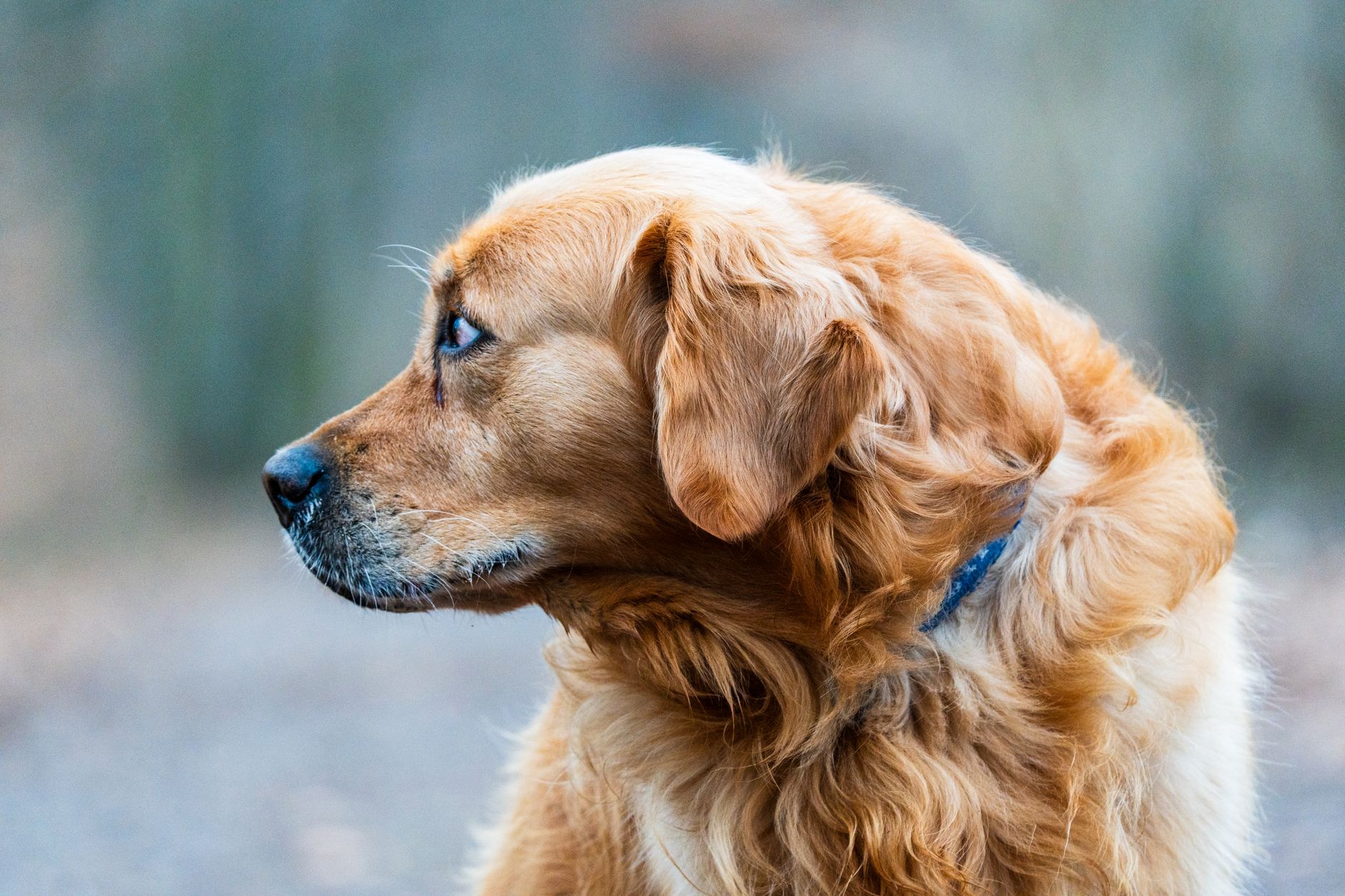
A watercolour pet portrait doesn't try to pin your dog down. It lets them breathe. The pigment sits in translucent washes, building slowly, the white of the paper glowing underneath like light through skin. It's the medium of movement and memory—the way a Golden Retriever's coat catches afternoon sun, the soft blur of a puppy mid-zoomie, the gentle aging around a senior dog's muzzle. Watercolour doesn't freeze a moment; it holds it the way you do, with all its warmth and impermanence intact.
This is why watercolour has been the portrait medium of choice for centuries. It requires the artist to work with unpredictability—water flows where it wants, pigments bloom and feather, happy accidents become the most alive parts of the painting. That surrender to the process mirrors what it means to love a dog: you can't control them into perfection, and you wouldn't want to. A watercolour style portrait honours that.
Why Watercolour Feels So Alive
Watercolour is transparent. Unlike oils or acrylics, which sit opaque on the surface, watercolour sinks into the paper and lets light reflect back through the pigment layers. This is why a dog's eyes in watercolour seem to look at you—the white of the paper becomes the light in their gaze. The American Kennel Club notes that the best pet portraits capture "the unique spark of personality," and watercolour's luminosity does that almost by accident. The medium itself is alive.
The way watercolour handles fur texture is also unmatched. A dry-brush stroke can suggest the wiry coat of a terrier; a wet-into-wet wash becomes the soft undercoat of a Golden Retriever. The artist isn't painting every hair—they're painting the shape of your dog's energy, the way light moves across them. It's impressionistic in the best sense: it gives you the feeling before the facts.
And because watercolour can't be overworked (the paper will only take so much water before it buckles), the artist has to commit. Every brushstroke is a small act of trust. That urgency shows up in the final piece—it feels immediate, like your dog just turned their head and the painter caught it.
What a Watercolour Portrait Can (and Can't) Do

Watercolour excels at softness, light, and emotion. If your dog has a gentle soul—a Cancer dog personality, say, or a senior Labrador with greying temples and kind eyes—watercolour will honour that. It's also extraordinary for motion: a Border Collie mid-leap, a puppy tumbling through grass, a dog shaking off water in a spray of light. The fluidity of the medium matches the fluidity of the moment.
But watercolour is less suited to high-contrast, graphic compositions. If you want bold, saturated colour and sharp edges—think pop art or geometric—watercolour will feel too delicate. It's also harder to achieve the deep, velvety blacks of an oil painting. Watercolour's strength is in its restraint, its willingness to let the paper breathe. If your dog's energy is loud and exuberant, watercolour might soften them too much. But if their presence is warm, steady, luminous—this is the medium that will get them right.
One more thing: watercolour ages beautifully. The pigments are lightfast (if the artist uses professional-grade materials), and the matte finish doesn't glare under glass the way an oil might. It's a quiet medium. It doesn't demand attention; it rewards it.
Commissioning a Watercolour Pet Portrait: What to Expect
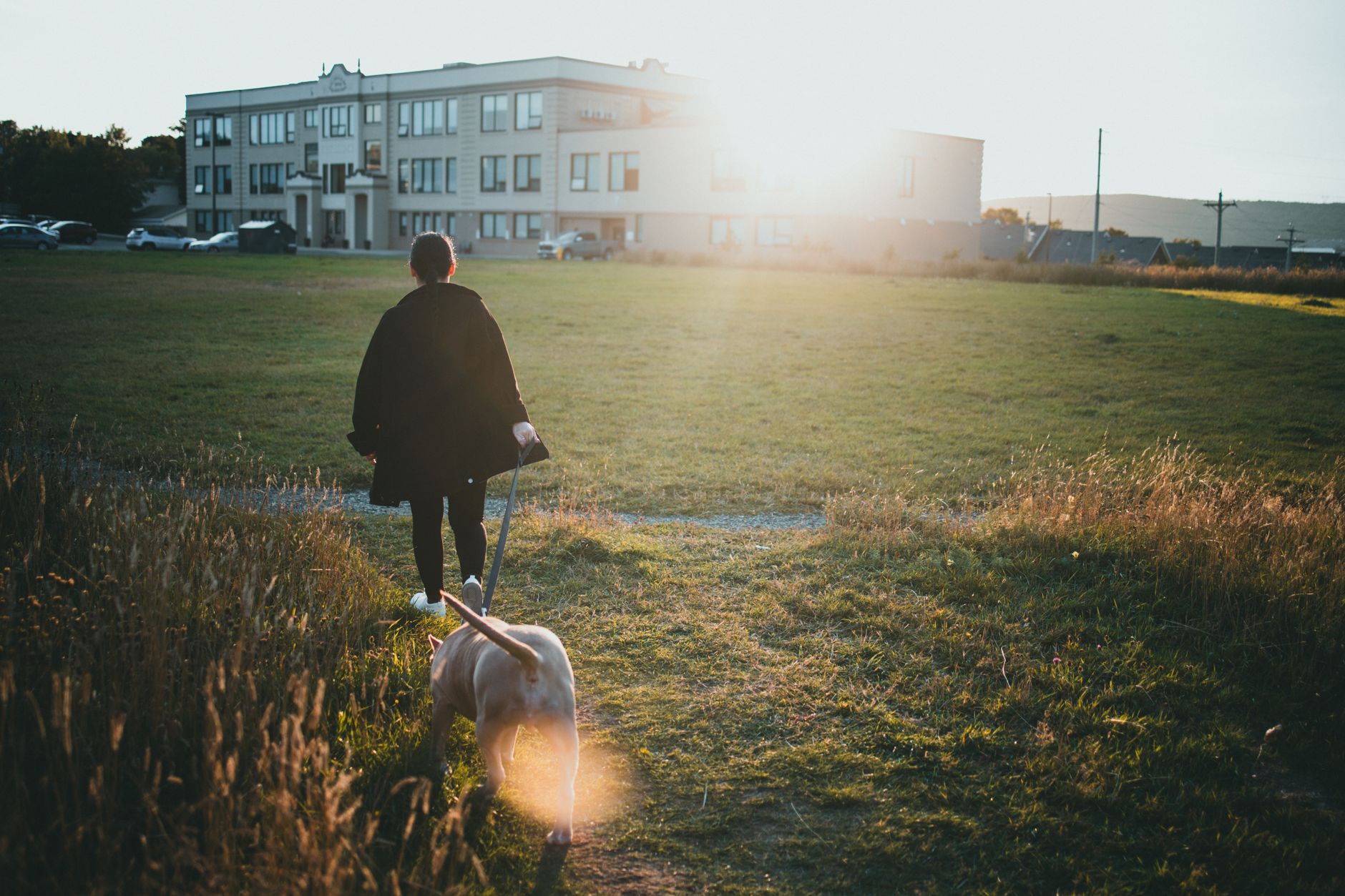
When you commission a watercolour portrait, the artist will ask for reference photos—and the quality of those photos matters more than in almost any other style. Because watercolour relies on light and shadow to create form, the artist needs images with good, natural lighting. A photo taken in harsh midday sun or dim indoor light won't give them the information they need. Golden hour is your friend here. So is a slightly overcast day, which gives soft, even light without hard shadows.
The artist will also ask about your dog's personality. This isn't small talk—it's research. A watercolour portrait isn't a photocopy; it's an interpretation. If your dog is a Gemini dog personality—playful, social, always mid-thought—the artist might use looser, more energetic brushwork. If they're a Taurus dog, steady and grounded, the composition might be more still, the washes more deliberate. The medium is flexible enough to hold all of that.
Most watercolour portraits are painted on cold-press or hot-press watercolour paper (cold-press has more texture; hot-press is smooth). The artist will likely work in layers, starting with light washes to establish the overall form, then building up darker tones and details. This is a slow process—watercolour can't be rushed. Each layer has to dry before the next, or the colours will bleed into mud. A good watercolour portrait takes days, sometimes weeks. That patience shows.
You'll receive the original painting, unframed, which you can then frame under glass. (Watercolour should always be framed with a mat to keep the paper from touching the glass.) Some artists also offer high-resolution scans, so you can print cards or smaller reproductions. At Little Souls, we pair watercolour portraits with your dog's birth chart—so the softness of the medium meets the precision of their cosmic blueprint. It's a frame for who they are, inside and out.
When Watercolour Is the Right Choice
You'll know watercolour is right if you want a portrait that feels like a memory. Not a photograph, not a cartoon—something in between, something that holds the warmth of a moment without trying to make it permanent. Watercolour is for the dog who greets you at the door every single day with the same soft joy. It's for the senior dog whose face has changed but whose eyes haven't. It's for the puppy you want to remember exactly as they were at four months old, all ears and paws and unguarded sweetness.
It's also the right choice if you want the portrait to live quietly in your home. Watercolour doesn't shout. It sits on the wall and waits for you to notice it, and when you do, it gives you everything. If your dog's energy is like that—steady, present, luminous—then watercolour is the language that will translate them into art.
And if you're grieving, watercolour holds space for that too. A memorial pet portrait in watercolour doesn't try to make the loss smaller. It lets the light through. It says: this love was real, and it still is.
Ready to See Your Dog in Soft, Luminous Light
A watercolour pet portrait is more than a painting. It's a record of presence—the way your dog's coat catches the afternoon sun, the way their eyes hold you, the way they exist in the world with such unguarded softness. At Little Souls, we combine watercolour's luminosity with your dog's birth chart, so the art honours both their visible form and the invisible shape of their soul. It's a portrait that feels like them, because it was made to understand them.
Explore our watercolour portrait gallery to see how the medium translates different breeds and personalities—or browse our full custom portrait collection to find the style that speaks to you. Every piece is hand-painted, one dog at a time, with the kind of attention that matches the way you see them.
Sources
- American Kennel Club. "Dog Portraits: Capturing Your Dog's Personality." AKC.org. https://www.akc.org/expert-advice/lifestyle/dog-portraits/
See your dog painted the way you see them
Written by River. See their portrait →